How to Find the Best Free Translation Software in 2026?
In 2026, the demand for translation software free is on the rise. According to a study by Statista, the global language services market is projected to reach over $56 billion by 2027. This growth underscores the need for effective translation tools. As businesses expand internationally, accurate communication becomes vital.
Many free translation software options are available, but not all are created equal. For instance, while Google Translate is popular, user reviews highlight issues with context and nuance. A 2023 report from Common Sense Advisory found that 48% of users find machine translations lacking in accuracy. Users often face challenges, such as content misinterpretation or awkward phrasing.
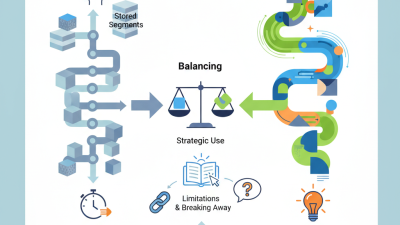
Choosing the right software requires careful consideration. Look for platforms that consistently update their databases and support various languages. This ensures better precision and reliability. Despite the options available, many people still rely on human translators for complex texts. Balancing free software with professional services may be the best approach.

Identifying Key Features of Free Translation Software in 2026
In 2026, selecting the best free translation software requires a careful evaluation of essential features. One critical aspect is accuracy. Users must look for software that produces consistent and contextually appropriate translations. A tool may seem useful initially, but poor accuracy can lead to misunderstandings.
Another key feature is user-friendly design. The interface should be intuitive, allowing users to navigate easily without confusion. Complicated software can frustrate users and deter effective communication. Additionally, consider the range of languages supported. Having a diverse language selection can enhance the tool's utility.
**Tip:** Test the software with varied content. This will reveal its strengths and weaknesses.
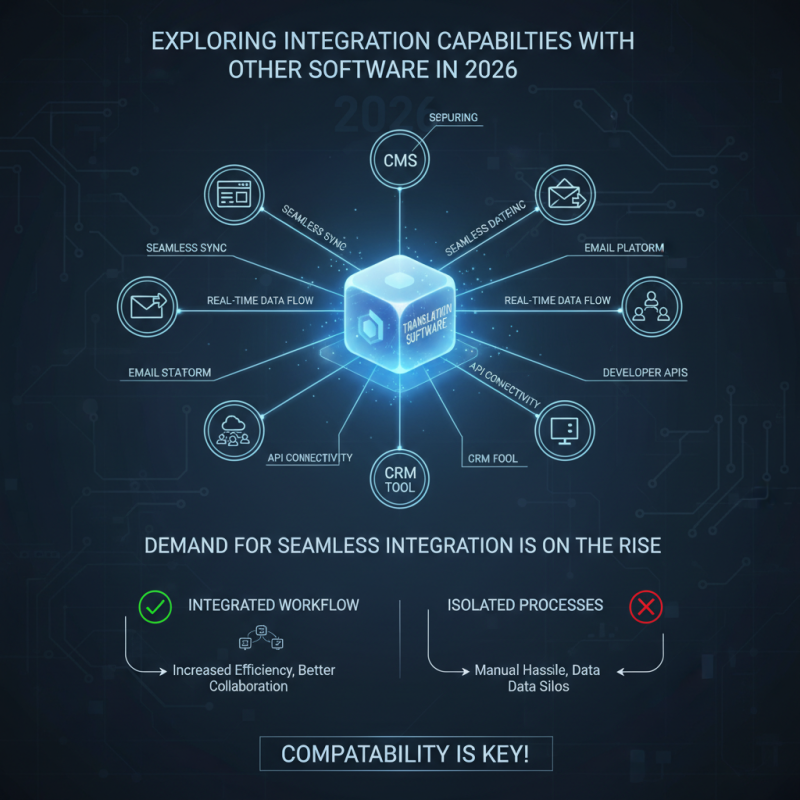
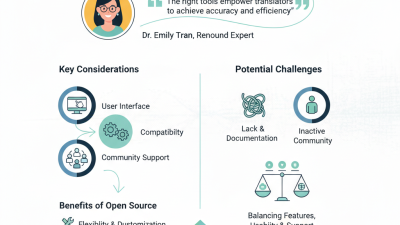
Additionally, think about integration. Many prefer software that works seamlessly with other applications. This can save time and simplify workflow. However, some software may not support all formats. Be sure to check compatibility before committing to a choice.
**Tip:** Take advantage of trial periods to evaluate different tools. This hands-on approach can guide your decision-making process effectively.
Reflect on your own translation needs. What works for one user might not be ideal for another. Tailoring your choice based on personal requirements will ensure a better fit.
Key Features of Free Translation Software in 2026
Comparing User Satisfaction Ratings for Top Free Translation Tools
When searching for the best free translation software in 2026, user satisfaction ratings are crucial. These ratings reflect real experiences from diverse users. They highlight the strengths and weaknesses of each tool. Some may excel in translating everyday conversations, while others might struggle with complex sentences.
It’s important to consider user feedback. Many tools receive high marks for ease of use. However, some users report inconsistencies in translations. These issues can lead to misunderstandings in important contexts. Therefore, exploring user reviews can unveil hidden flaws. Users appreciate tools that not only translate accurately but also maintain the original tone and context.
In the ever-evolving landscape of translation software, ongoing updates are vital. Many platforms may promise improvements but fail to deliver consistent results. Keeping an eye on community discussions can provide insights into the most reliable options. Be cautious of overly positive reviews; they can sometimes mislead. A balanced view often reveals the truth behind these free tools. Users frequently emphasize the need for tools that adapt to various languages and dialects.
How to Find the Best Free Translation Software in 2026? - Comparing User Satisfaction Ratings for Top Free Translation Tools
| Translation Tool |
User Satisfaction Rating |
Languages Supported |
Ease of Use |
Additional Features |
| Tool A |
4.5/5 |
100+ |
Very Easy |
Voice Translation, Offline Mode |
| Tool B |
4.2/5 |
50+ |
Moderate |
Text-to-Speech, Document Translation |
| Tool C |
4.8/5 |
80+ |
Very Easy |
Image Translation, History Function |
| Tool D |
3.9/5 |
20+ |
Difficult |
Basic Translation, No Offline Mode |
| Tool E |
4.1/5 |
150+ |
Easy |
Collaboration Tools, API Access |
Evaluating Accuracy and Speed Metrics of Free Translation Solutions
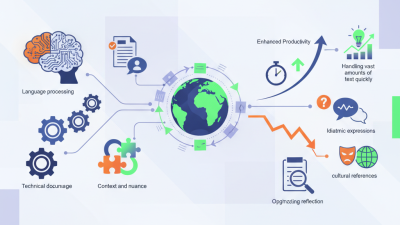
In 2026, evaluating free translation software requires a keen focus on accuracy and speed. Language nuances matter significantly. Accuracy can vary widely between tools. Some programs may excel in technical translations but struggle with idiomatic phrases. Aim for solutions that offer contextual understanding.
Speed is another critical factor. Users expect quick turnaround times. Yet, free software might prioritize speed over precision. This can result in errors, especially in complex text. Test several options to find a balance. A tool’s performance may differ based on even minor adjustments.
Tips: Start with small text pieces. Check the translations for accuracy. Look for patterns in errors. Are certain phrases consistently misinterpreted? Use this feedback to refine your choices. Consistent testing helps identify the best fit. Speed should not compromise content quality. Make sure your selected software meets both your accuracy and efficiency needs.
Analyzing Usage Trends and Popularity of Free Translation Software
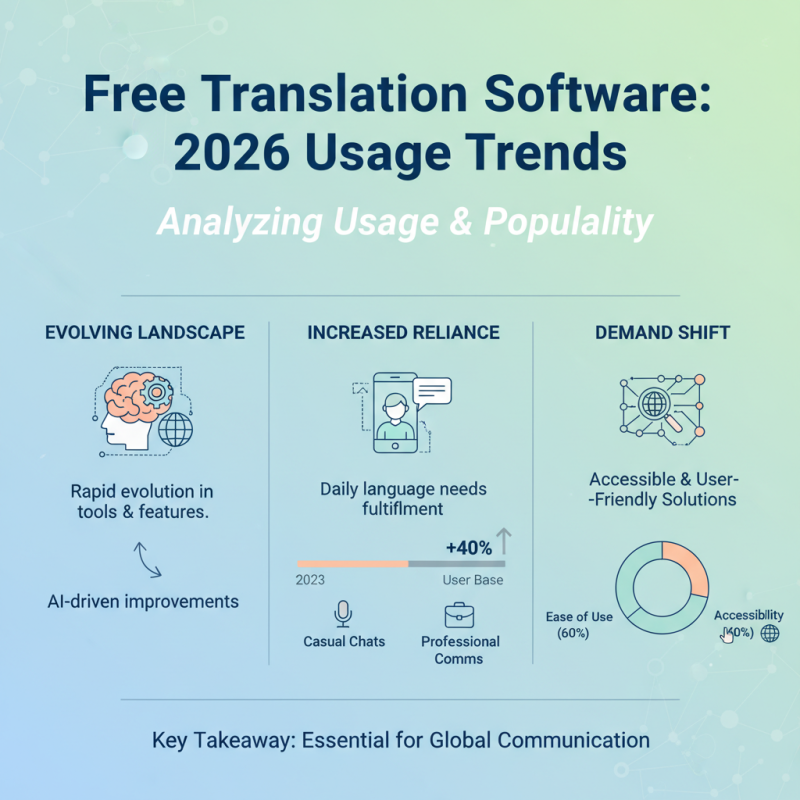
In 2026, the landscape of free translation software continues to evolve rapidly. Many users now rely on these tools for daily language needs, from casual conversations to professional communications. This shift shows a significant increase in demand for accessible and user-friendly translation solutions.
Recent trends highlight a growing preference for software that integrates advanced AI technology. Users appreciate translations that consider context and cultural nuances. This need demonstrates a clear gap in current offerings, prompting developers to innovate. However, not all solutions meet expectations, leading to frustrations among users. Some tools fail to grasp subtleties, resulting in awkward translations that can hinder communication.
Another notable trend is the increasing community engagement around language learning. Users are exchanging tips and sharing experiences related to translation software. This collaborative spirit fosters a sense of reliability as users draw from each other’s experiences. Still, it raises questions about the accuracy and effectiveness of communal knowledge. As the popularity of such tools rises, continuous reflection on their quality is crucial for both users and developers.