How to Choose the Best TMS Translation Solution for Success?
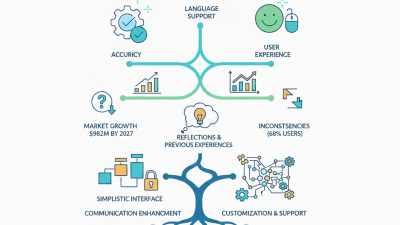
Choosing the right TMS translation solution can significantly impact your business. A tailored system improves workflow and enhances communication. The right choice can lead to greater efficiency and better translations.
However, many businesses struggle with this decision. They may rush into selecting a system without fully understanding their needs. Sometimes, organizations overlook the importance of implementing a TMS based on their specific challenges.
Gathering input from your team is essential. Different users have unique requirements. This feedback can illuminate the necessary features for your TMS translation solution. Take the time to reflect on what you truly need.
Understanding the Importance of TMS in Modern Translation Workflows
In modern translation workflows, Translation Management Systems (TMS) play a crucial role. A TMS streamlines processes, enhances collaboration, and increases productivity. Many overlook their importance, leading to inefficiencies. A well-implemented TMS can make the translation process smoother and more effective.
When choosing a TMS, consider its integration capabilities. A system that connects seamlessly with existing tools can save time and reduce errors. Look for user-friendly interfaces that simplify navigation. It’s also important to evaluate the customization options available. A flexible TMS can adapt to the unique needs of different projects.
Regularly assess the performance of your TMS. Are your team members finding it useful? If not, gather feedback and explore alternative solutions. Investing time in understanding how your TMS fits into your workflow is essential. Take note of areas for improvement, even if everything seems to function well. Reflecting on these points can lead to better outcomes in your translation efforts.
Key Features to Look for in a TMS Translation Solution
Choosing the right Translation Management System (TMS) can significantly impact localization efforts. One of the key features to consider is user interface simplicity. A TMS should be intuitive. Complicated systems can lead to user frustration. Teams often spend more time navigating than translating. Intuitive design fosters efficiency.
Another important feature is integration capability. A TMS must easily connect with existing tools. This includes content management systems and other software. Smooth integrations help in maintaining workflow without interruptions. Manual data transfer is inefficient and prone to errors. It's vital to streamline processes for optimal productivity.
Additionally, consider the flexibility of the TMS. As project needs change, a good TMS should adapt. It should support various file types and formats. Rigid systems can hinder collaborative efforts. Collaboration fosters creativity and enhances translation quality. A flexible solution encourages teamwork across different regions. The right TMS makes scaling projects easier, ensuring long-term success.
How to Choose the Best TMS Translation Solution for Success? - Key Features to Look for in a TMS Translation Solution
| Feature |
Description |
Importance Level |
| User-Friendly Interface |
An intuitive design that minimizes the learning curve for new users. |
High |
| Integration Capabilities |
Ability to connect with other tools and platforms (CMS, ERP, etc.) seamlessly. |
High |
| Collaboration Features |
Tools for team communication and project management integrated into the TMS. |
Medium |
| Scalability |
Capacity to handle projects of varying size and complexity efficiently. |
High |
| Quality Assurance Tools |
Built-in tools for reviewing and ensuring translation quality. |
High |
| Reporting and Analytics |
Comprehensive analytics to track progress, performance, and costs. |
Medium |
| Cost-Effectiveness |
Strategically priced to maximize ROI based on features provided. |
High |
| Customer Support |
Responsive support to assist users with issues or queries quickly. |
Medium |
Evaluating User Experience and Integration Capabilities
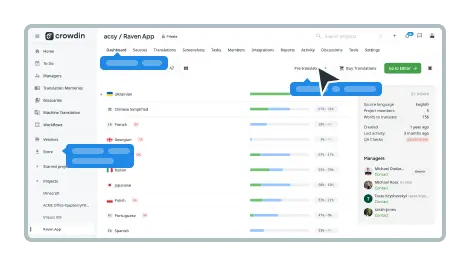
When selecting a TMS translation solution, enhancing user experience is paramount. An intuitive interface can save time and reduce frustration. Users should feel comfortable navigating the system. Look for platforms that offer customizable dashboards. This allows teams to tailor workflows to their specific needs. A personal touch can significantly improve user satisfaction.
Integration capabilities are also crucial. Seamless connections to other tools can enhance productivity. A TMS should integrate smoothly with content management systems and other software your team uses. This reduces manual tasks and elevates efficiency. A real-time data flow can improve decision-making across departments.
Consider testing the platform with small teams before a full-scale rollout. This trial period can reveal potential challenges. Gather feedback on the user experience and integration process during this phase. Flexibility in adopting changes based on this feedback is essential. It shows a commitment to continuous improvement and user engagement.
Assessing Scalability and Customization Options in TMS
Choosing the right Translation Management System (TMS) can significantly impact your translation projects. One crucial factor to consider is scalability. A scalable TMS adapts to your evolving needs. It should handle increased volumes as your business grows. Look for platforms that support additional languages, users, and modules. This flexibility is vital for long-term success.
Customization options are equally important. A TMS should allow you to tailor workflows, integrate with existing tools, and meet specific project requirements. This feature can enhance efficiency and productivity. A solution that can be molded to fit your processes will streamline operations.
Think about your team's size and future plans. Does the TMS you’re considering provide user roles that fit your structure? Can it offer automated solutions that suit your workflow? Evaluate whether you can adjust settings without extensive technical help. A user-friendly customization interface makes this process smoother. Your TMS should grow alongside your demands.
Comparing Scalability and Customization Options in TMS Solutions
Comparing Pricing Models and Support Services of TMS Solutions
When considering a translation management system (TMS), pricing models and support services are critical factors. Many TMS providers offer tiered pricing, which can be confusing. According to industry reports, 57% of companies seek transparency in pricing. Hidden costs can severely impact budget projections. One must carefully examine what features are included in the subscription. Are additional services or integrations charged separately? Clarity is essential.
Support services play a vital role in the decision-making process. A recent survey indicated that 65% of users prioritize responsive customer support. The availability of 24/7 help can make a significant difference. Some TMS solutions offer diverse channels for assistance, such as chat and email, while others may limit interactions to emails only. It's important to assess these options prior to commitment.
Evaluating both pricing structures and support initiatives reveals the strengths and weaknesses of different TMS. While lower costs can be enticing, the absence of reliable support may lead to frustrations and inefficiencies. A balance must be struck between affordability and effective assistance. Companies should take their time in selecting a TMS solution, as hasty decisions often result in regrets down the line.