How to Choose the Best Localization Software in 2026?
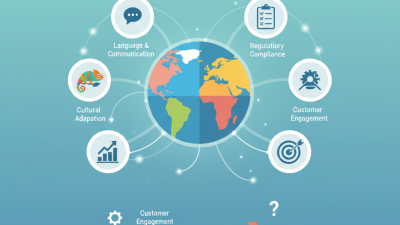
In today's globalized world, choosing the best localization software is essential for businesses aiming to reach diverse audiences. With technology continuously evolving, the landscape of localization is becoming increasingly complex. A poorly chosen tool can lead to inconsistencies and misunderstandings across cultures. Therefore, understanding the critical factors in selecting localization software is vital.
Several aspects come into play when evaluating software options. User experience, integration capabilities, and language support are crucial elements. Additionally, businesses should consider the software's scalability and adaptability to changing needs. Many companies face challenges when their software lacks these features, leading to inefficient workflows.
As we move into 2026, the demand for reliable localization software will continue to rise. Organizations must prioritize their unique requirements and seek solutions that genuinely fit their goals. Failing to invest time in this process can result in subpar results and a fractured brand presence. The right localization software can bridge cultural gaps and enhance communication, making it a pivotal choice for any business strategy.
Understand Your Localization Needs and Goals
Understanding your localization needs and goals is vital in selecting the right software for your business. In 2026, organizations must recognize that localization goes beyond mere translation. According to a recent study by CSA Research, 76% of consumers prefer to buy products in their native language. This statistic underscores the importance of delivering culturally relevant content to enhance customer experiences.
To identify your localization needs, consider factors like target markets, content types, and customer preferences. Are you focusing on multilingual websites, apps, or marketing materials? Each area has different requirements and challenges. Additionally, a report from Common Sense Advisory indicates that 40% of companies believe their localization strategies lack clarity. This insight suggests that many organizations need better alignment between their goals and their localization processes.
While choosing software, prioritize tools that support your specific goals. Many solutions offer varying features, such as integration capabilities and project management tools. However, it's crucial to realize that no single solution may address all your needs. Take time to evaluate user feedback and conduct trials. This reflection can help you avoid costly mistakes in the localization process.
How to Choose the Best Localization Software in 2026?
| Feature |
Importance Level |
Ease of Use |
Cost |
Integration Flexibility |
| Translation Memory |
High |
Easy |
$$$ |
Excellent |
| Collaboration Tools |
Medium |
Moderate |
$$ |
Good |
| User Interface |
High |
Very Easy |
$ |
Variable |
| Reporting and Analytics |
Medium |
Challenging |
$$$ |
Good |
| Support and Training |
High |
Easy |
$$ |
Excellent |
Identify Key Features of Effective Localization Software
Choosing the best localization software requires careful consideration of key features. Effective localization software should support multiple languages seamlessly. A user-friendly interface is essential for quick navigation. Look for tools that integrate with existing workflows. This integration can save time and minimize errors.
It's important to consider collaboration features. Real-time editing and commenting can enhance team communication. This makes it easier to ensure everyone stays on the same page. You might find that a platform with clear version control can help prevent confusion.
Remember the importance of quality assurance tools. Automated checks can identify potential issues before they affect users. Localization software should also provide comprehensive reporting. This helps track progress and measure success. Take your time in evaluating these features to find the right fit for your needs.
Evaluate Compatibility with Existing Tools and Platforms
When selecting localization software, compatibility is crucial. Many organizations rely on existing tools for project management, file sharing, and team communication. Software that integrates seamlessly with these tools enhances workflow efficiency. It reduces friction and facilitates easy collaboration among team members. If your localization software doesn't mesh with current platforms, it can lead to complications that hinder progress. Evaluate how the software interacts with the tools already in use.
Integration should not be an afterthought. Explore how the software supports APIs and other integration methods. Some software may promise compatibility but can fall short in practical application. Run tests to see how well it interacts with your existing systems. This exploration helps identify potential issues early on. Assess the learning curve required for your team to adapt to new software. A tool that looks great on paper may pose unforeseen challenges.
The ideal localization software should complement your workflow rather than disrupt it. Look for tools that offer flexible solutions tailored to your needs. It's essential to weigh the pros and cons of each option carefully. Many decisions are swayed by impressive features that become irrelevant if they don't fit your environment. Being proactive in assessing compatibility can save time, reduce stress, and ultimately streamline your localization efforts.
Assess Vendor Support and Customer Service Options
When evaluating localization software, assessing vendor support and customer service is crucial. You need a partner who listens to your needs. It's important to check if the vendor offers timely support. Look for platforms that provide multiple channels for customer interactions. Email, live chat, and phone support can make a significant difference in resolving issues quickly.
Consider the availability of support resources as well. Comprehensive FAQs and knowledge bases can enhance user experience. A well-documented platform can minimize the need for direct support, saving time for everyone. However, remember that no system is flawless. Some vendors may have slower response times during peak hours, which can be frustrating.
Another aspect to reflect upon is the quality of support staff. Look for reviews that highlight experiences with representatives. Staff expertise can significantly impact your project's success. It might take time to evaluate all options properly. Engage in trials to test their responsiveness. This effort can lead to better outcomes for your localization needs.
Comparison of Localization Software Vendor Support in 2026
Consider Pricing Models and Budget Constraints
When selecting localization software, understanding pricing models is crucial. Different software providers offer various pricing structures. Some may charge based on word count, while others use subscription models. It's important to assess your translation needs to avoid overspending. A small business might not benefit from a high-end package intended for large enterprises.
Budget constraints can limit your options. Many high-quality software solutions are available at competitive prices. Some tools might offer free trials. Exploring these options allows you to evaluate effectiveness without a financial commitment. However, be cautious. Free tools may lack key features that enhance the localization process.
Moreover, consider long-term costs. A lower initial price might lead to higher costs down the road if the software doesn't meet your needs. Look for scalability. As your business grows, your localization needs will evolve. An ideal solution balances initial affordability with flexibility for future growth.