How to Use Crowdin Translation for Global Procurement Success?
In today’s global market, effective communication is crucial for procurement success. Crowdin translation plays a vital role in bridging language barriers. As industry expert Sarah Thompson states, "Translating procurement documents accurately can significantly reduce risks and enhance supplier relationships." Her insights highlight the importance of precise translation in fostering global interactions.
Many organizations underestimate the complexity of multilingual procurement processes. A simple error in translation can lead to misunderstandings, affecting relationships with suppliers. Crowdin translation offers a streamlined approach for managing various languages in procurement documents. It ensures that your message is clear and accurate.
Utilizing Crowdin translation, companies can create a comprehensive procurement strategy that resonates with diverse markets. However, it’s essential to invest time in assessing the quality of translations. Relying solely on automated translations might obscure nuanced meanings. Reflecting on these aspects can enhance the effectiveness of your global procurement initiatives.

Understanding Crowdin Translation and Its Role in Global Procurement
In the landscape of global procurement, effective communication is crucial. Crowdin Translation serves as a tool that bridges language barriers. It allows organizations to localize their procurement documents efficiently. This process can streamline negotiations and foster better relationships with international suppliers.
Using Crowdin Translation, companies can adapt their materials. They can translate supplier contracts, product specifications, and compliance documents into multiple languages. This adaptability enhances clarity and minimizes misunderstandings. An efficient translation process reduces the risk of delays in procurement. However, organizations must ensure that translations are not only accurate but culturally relevant.
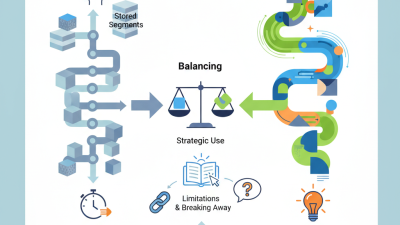
Despite its benefits, relying solely on technology can lead to pitfalls. Automated translations may miss nuanced meanings or localized terms. It’s essential to engage native speakers to review and refine translations. Companies should conduct regular assessments of their translation strategy. Reflecting on past challenges can lead to improved practices in future procurement efforts.
Setting Up a Crowdin Account for Your Procurement Needs
Creating a Crowdin account can enhance your procurement operations significantly. Crowdin is designed to streamline translation processes, making it crucial for global procurement. According to industry reports, companies that leverage translation management tools like Crowdin see a 25% increase in efficiency. An optimized account setup allows you to integrate various translation workflows seamlessly.
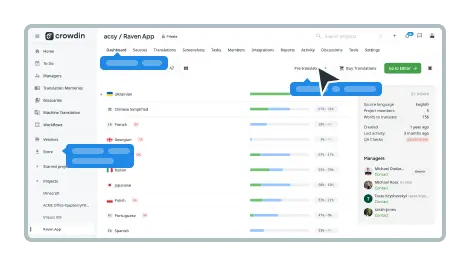
When setting up your account, focus on relevant project configurations. Customize your file formats and set language pairs that align with your procurement requirements. This specificity helps in catering to diverse markets. Employ team roles wisely. Assign appropriate permissions based on project needs to maintain quality control. Inadequate role assignments can lead to coordination challenges.
Tips: Regularly update glossaries and style guides. This practice ensures consistency across translations. Monitor metrics to identify potential translation bottlenecks. Studies indicate that 30% of procurement professionals face delays due to poor translation workflow. Addressing these issues quickly can improve turnaround times and reduce costs.
Integrating Crowdin with Existing Procurement Workflows
Integrating Crowdin into existing procurement workflows can enhance translation efficiency and improve global deal execution. A recent industry report found that companies with streamlined translation processes saw a 30% reduction in time-to-market for international projects. Such integration allows for a seamless flow of information, ensuring that stakeholders across various regions are on the same page.
Collaboration tools are essential for enhancing communication within procurement teams. Organizations may overlook the need for consistent terminology, leading to misunderstandings. A consistent glossary can save time and foster clarity. Implementing regular training sessions on using such tools can equip teams with the necessary skills, ultimately leading to better procurement outcomes.
Tips: Regularly update your terminology database. Create a centralized knowledge hub for all procurement resources. Monitor progress and adapt strategies based on feedback. Fostering a culture of collaboration and ongoing learning can lead to procurement success in diverse markets. Reflecting on what works and what doesn’t ensures continuous improvement in translation efforts.
Best Practices for Managing Translations in Global Sourcing
In global sourcing, effective translation management is essential. Often, companies overlook the linguistic nuances as they expand internationally. Failing to understand local cultures can lead to miscommunication. This is costly. Accurate translations help maintain brand integrity and foster better supplier relationships.
Utilize translation management tools to streamline processes. These tools help organize documents and ensure consistency. Collaboration among teams can minimize errors. Implementing a review system is crucial. Peer reviews can catch mistakes before finalizing translations. Encourage feedback from team members to identify areas for improvement.
Being proactive in gathering translation resources is beneficial. Create a centralized glossary for terms relevant to your industry. This helps maintain clarity across various languages. Additionally, consider cultural context in your translations. Tailoring messaging to local customs increases engagement. However, it’s important to recognize potential pitfalls. Not every phrase translates well, and mistakes happen. Learning from these challenges is vital for future success.
Measuring Success: Analyzing Outcomes of Translations in Procurement
Analyzing the outcomes of translations in procurement offers a clear view of their effectiveness. In a global landscape, precise communication is essential. Misunderstandings due to poor translations can lead to significant delays and increased costs. Companies must track metrics like turnaround time and accuracy to gauge success. Each translated document should be evaluated for clarity and relevance.
Feedback from stakeholders is invaluable. It helps identify areas needing improvement. Regular assessments of translated materials reveal patterns. For example, certain terms may be consistently misinterpreted. This indicates a need for a standardized glossary. Moreover, analyzing transaction outcomes linked to translations can uncover hidden losses or gains. Understanding these nuances is vital for procurement teams aiming for efficiency.
The implementation of translation tools can streamline this process. Yet, over-reliance on technology may not yield perfect results. Continuous human oversight ensures cultural context is honored. Investing in human expertise alongside translation technology enhances overall quality. This dual approach can lead to better outcomes and foster lasting business relationships worldwide. Regular reflection on these practices allows teams to adapt and thrive in the ever-changing global market.