Top 10 Tips for Effective Localize Translation Strategies?
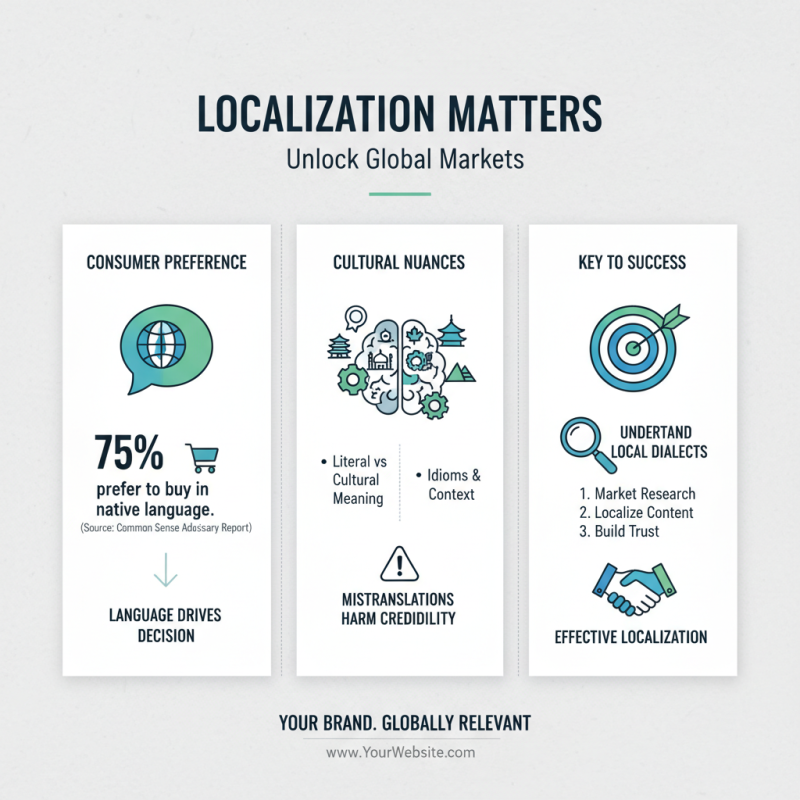
In an increasingly globalized market, effective localize translation strategies have become essential for businesses. Data from the Common Sense Advisory indicates that 75% of customers prefer to buy products in their native language. This underscores the importance of tailored content. However, many companies overlook the nuances of local cultures in their translation efforts.
Localize translation is not just about word-for-word conversion. It demands an in-depth understanding of cultural context, idiomatic expressions, and regional preferences. A well-localized product can increase customer engagement significantly. For example, companies that invest in localizing their content see a 1.5 times higher chance of customer loyalty. Yet, despite this, some organizations still fail to allocate adequate resources for thorough localization.
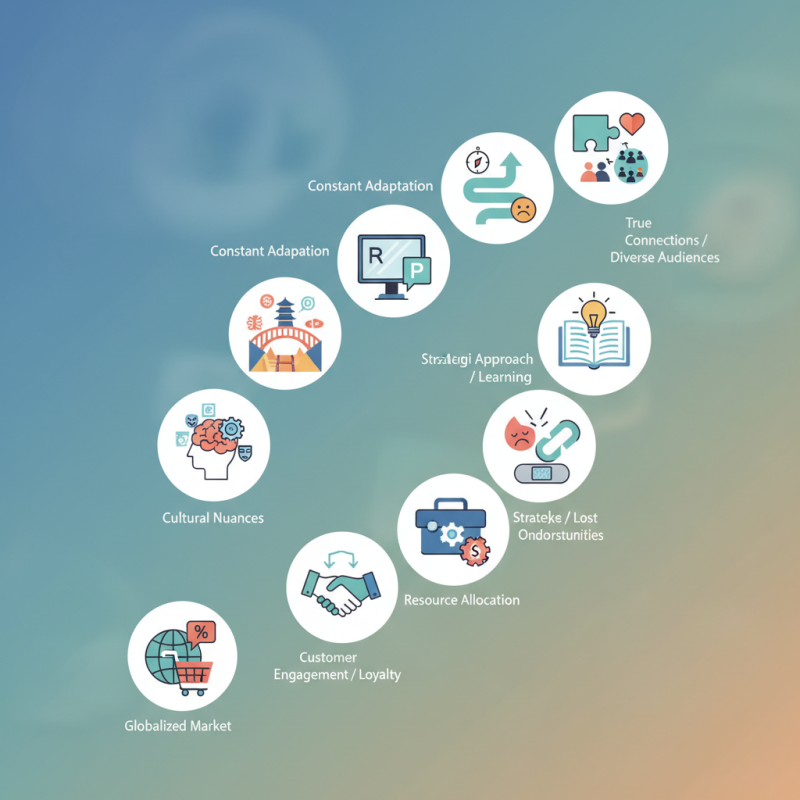
Mistakes in translation can lead to embarrassment and lost business opportunities. Mistranslations can alter meanings and hinder brand image. Companies must reflect on their approach. Often, shortcuts are taken, leading to poor results. The journey towards effective localize translation is ongoing and requires constant adaptation and learning. Creating a plan with strategic insights can bridge gaps and foster true connections with diverse audiences.
Understanding the Importance of Localization in Translation
Localization is essential in translation strategies. It goes beyond mere language conversion. Understanding cultural nuances is critical when adapting content for different markets. This means more than changing words. You must also consider local customs, preferences, and values.
Many overlook the importance of local context. A phrase that sounds fine in one culture could be offensive in another. Images, colors, and symbols have varying meanings worldwide. For example, red signifies luck in some cultures and danger in others. Therefore, it’s vital to tailor your message accordingly.
Effective localization can enhance customer connection. It builds trust and credibility. If people see their culture reflected in your content, they feel valued. Yet, achieving accurate localization takes time. It requires collaboration with native speakers and cultural experts. Skipping this step can lead to blunders that may harm your brand's reputation. Balancing speed and quality is an ongoing challenge in the localization process.
Identifying Target Markets and Cultural Nuances
Understanding target markets and cultural nuances is vital for effective localization. A report from Common Sense Advisory reveals that 75% of consumers prefer to buy products in their native language. This highlights the importance of language in decision-making. Yet, many companies overlook local dialects. A phrase might translate literally but miss cultural significance. Imagine a brand using an idiom that sounds strange or even offensive to locals. Such errors can hurt credibility.
Cultural nuances extend beyond language. They involve traditions, customs, and social dynamics. For example, colors can have different meanings across cultures. While white symbolizes purity in some countries, it may signify mourning in others. Utilizing insights from local experts can mitigate these risks. Deloitte emphasizes that companies leveraging local insights see higher engagement rates, sometimes by as much as 30%.
Carrying out in-depth research into local markets is essential. This includes analyzing consumer behavior and preferred communication styles. An article from Nimdzi states that businesses lose about 40% of potential revenue due to inadequate localization strategies. Such statistics should prompt brands to invest in understanding local customs thoroughly. Engaging with local communities can provide valuable feedback and help refine messaging.
Adapting Content to Local Language and Dialects
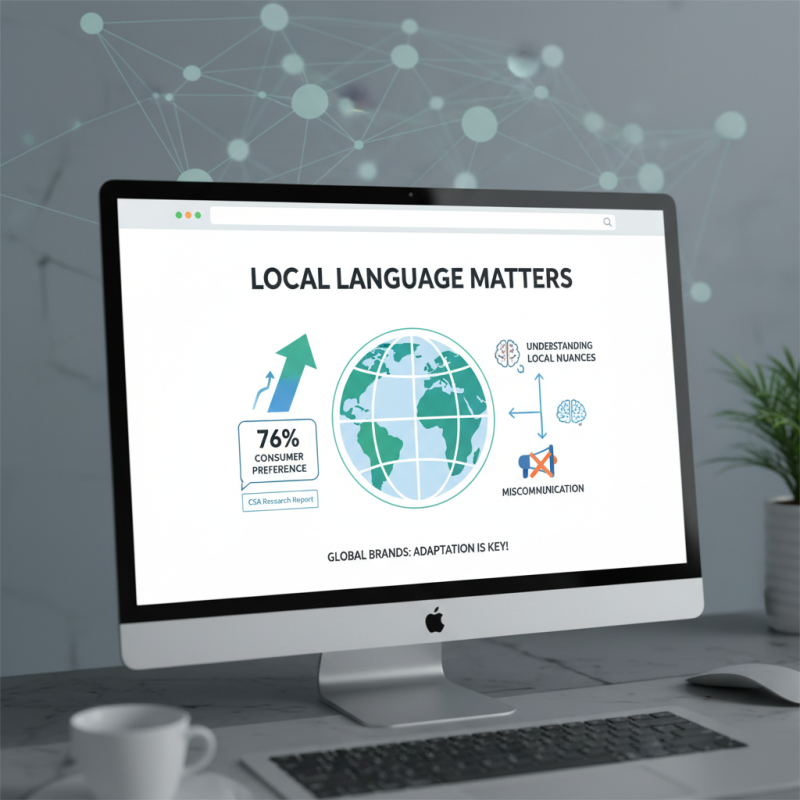
Adapting content for local languages and dialects is crucial for effective translation strategies. According to a report by CSA Research, 76% of consumers prefer to buy products with information in their native language. This emphasizes the importance of understanding local nuances. Global brands often overlook regional dialects, which can lead to miscommunication.
For instance, a word that seems common in one region might carry different meanings in another. Consider slang terms or idiomatic expressions that do not translate well. Data from the Localization Industry Standards Association indicates that 40% of consumers abandon a site that isn't in their language. Failing to address local dialects means risking customer engagement.
Cultural references often don't travel well. Words may seem straightforward, yet the associated meanings can vary. It's essential to engage local experts in translation. Their insights can highlight subtleties that a simple translation cannot capture. Businesses often assume a one-size-fits-all approach works, but this is rarely the case. Effective localization requires ongoing learning and adaptation.
Utilizing Technology and Tools for Efficient Localization
In today’s globalized world, effective localization is crucial. Technology and tools play a vital role in this process. Machine translation offers fast results, but accuracy can suffer. Relying solely on software may lead to missed cultural nuances. This is an area that requires careful attention.
Translation memory systems help streamline workflow. They store previously translated segments, ensuring consistency. However, the initial setup can be time-consuming. Teams must invest time to create a comprehensive database. Collaboration tools facilitate communication among team members. They can reduce miscommunication but may also lead to fragmented ideas.
Automated quality assurance tools can catch common errors. Yet, they might not recognize subtler issues. Human oversight remains essential. Ultimately, a blend of technology and human touch is needed. Striking this balance can enhance localization efforts significantly. Embracing imperfections in the process can lead to better outcomes. Effective localization is about progress, not perfection.
Collaborating with Native Speakers and Localization Experts
Collaborating with native speakers is vital for effective localization strategies. They understand the nuances of their language. This knowledge helps in capturing cultural references. Using native speakers ensures translations sound natural and relatable. Their insights can highlight local customs that may not be obvious to outsiders. This adds depth to the translation work, making it resonate with the target audience.
Engaging localization experts is equally important. These professionals have experience with various industries. They know the terminologies and jargon that fit specific contexts. However, it’s essential to choose experts who are flexible and open to feedback. Sometimes, their approach may not align with your vision. Regular communication helps bridge this gap. It’s crucial to discuss expectations upfront to avoid misunderstandings later on.
Balancing creativity and accuracy is a constant challenge. Native speakers may have unique expressions that don’t translate directly. This can lead to awkward phrasing if not handled well. Localization experts must be aware of these quirks. Testing translations with real users can reveal unexpected issues. It’s a process filled with reflection and adjustments, but the end result is worth the effort.