Solution for Teams
Engineering
Localize your apps, websites, and games with automated content updates by integrating with your repo
Marketing
Scale your marketing efforts through localization. Connect your marketing tools to automate the process
Support
Create and maintain multilingual support docs and other important content
Designers
Preview multilingual content, customize translations before implementation
Translators
Translate online with all the benefits of a desktop CAT tool
Use Cases
Software Translation
Set an automated process once and receive continuous localization in parallel with development
Mobile App Translation
Localize Android or iOS apps into any language and reach new markets
UI Translation
Localize your product's user interface and create global design
Website Translation
Create a multilingual website by integrating Crowdin and your website's CMS.
Multilingual Support
Translate customer service chatbots, emails, and documentation
Game Translation
Translate your game and enter the international market
E-commerce Translation
Automate localization of your e-commerce website and reach global customers.
Apps & Integrations
Browse 700+ integrations and plugins
AI Translation
Empower your business with an AI translator fine-tuned to your company's needs and get 95% publishable translations
Crowdin Resources Resources on localization services, translation and localization tipsSourcing Potassium Nitrate Saltpetre legally in 2026 requires more than finding a low price online. Buyers should verify the intended agricultural, water-treatment, or approved industrial use before requesting quotations. Product identity matters. Commercial potassium nitrate may appear as crystalline fertilizer, technical-grade material, or blended nutrient products.
The International Fertilizer Association’s Fertilizer Outlook 2024–2028 identifies continued demand for efficient potassium and nitrogen nutrition. The U.S. Geological Survey’s Mineral Commodity Summaries 2025 also highlights potash as a strategically important agricultural input. These reports support a practical point: supply chains remain global, but compliance duties remain local. Import controls, chemical registration, transport rules, and customer-screening requirements can differ sharply between countries.
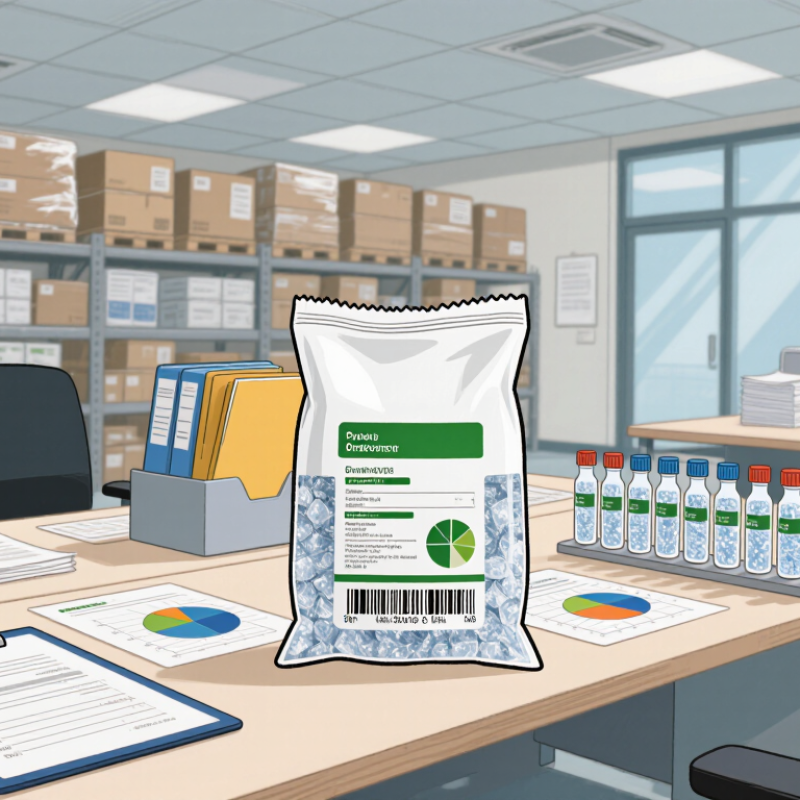
Use established manufacturers, licensed distributors, or recognized agricultural cooperatives. Request a current safety data sheet, certificate of analysis, product specification, lot number, and traceable invoice. Check that the package is sealed, labeled under the applicable GHS system, and consistent with the stated grade. A physical warehouse address helps. So does a verifiable company registration.
Do not rely on marketplace photos or vague purity claims. That approach fails too often. A responsible buyer should confirm customs classification with a qualified broker and review national authority guidance before ordering. In the European Union, relevant obligations may include REACH, CLP, and fertilizer-product requirements. In the United States, federal, state, and transport rules may also apply.
This guide focuses on lawful procurement and documentation. It does not replace professional legal advice. Requirements can change during 2026, and even experienced buyers should recheck them. A careful paper trail protects people, farms, suppliers, and the wider supply chain.
How to Source Potassium Nitrate Saltpetre Legally in 2026?
Define Potassium Nitrate: CAS 7757-79-1, Formula KNO₃, MW 101.10
Potassium nitrate, also called saltpetre, is an inorganic nitrate salt with the formula KNO₃. Its CAS number is 7757-79-1, and its molecular weight is 101.10 g/mol. It commonly appears as white, crystalline granules that dissolve in water. The material supports agricultural, laboratory, and industrial applications when handled under approved conditions. It is also an oxidizer, so storage and transport require careful control.
Legal sourcing begins with a documented purpose and a verified supplier. Request a current Safety Data Sheet, certificate of analysis, purity information, and packaging details. Check whether your country requires registration, permits, quantity limits, or end-use declarations. In 2026, requirements may differ between regions and can change without much notice. Confirm the rules with customs authorities, workplace safety agencies, or a qualified compliance professional. Avoid informal marketplaces and sellers who cannot provide traceable documentation.
Tips: Compare the CAS number, formula, grade, and lot details before ordering. Store the product away from heat, fuels, acids, and combustible materials. Use clean, dry tools and clearly labeled containers. A common mistake is treating technical-grade material like a harmless household salt. It is not. Keep purchase records and review the SDS before every new application. My own practical reflection is simple: a low price can hide weak testing, poor packaging, or compliance problems.
| Data Dimension | Verified Information | Legal-Sourcing Relevance |
|---|---|---|
| Chemical name | Potassium nitrate | Use the precise chemical name when checking regulations, permits, customs records, and safety documentation. |
| Common historical name | Saltpetre, saltpeter, or nitrate of potash | Historical and alternative names may appear in regulations or product records; confirm that all names refer to CAS 7757-79-1. |
| CAS Registry Number | 7757-79-1 | The CAS number is a reliable identifier for compliance checks and helps prevent substitution with another nitrate compound. |
| Chemical formula | KNO₃ | The formula identifies one potassium ion and one nitrate ion per formula unit. |
| Molar mass | 101.10 g/mol | Useful for technical specifications, laboratory calculations, and checking the identity of the material. |
| Substance type | Inorganic nitrate salt; oxidizing solid | Handle it as an oxidizing substance and keep it away from combustible materials, reducing agents, heat, and contamination. |
| Typical appearance | White crystalline solid or granules | Appearance alone does not confirm identity or purity; request a current certificate of analysis and safety data sheet. |
| Water solubility | Soluble in water; solubility increases substantially with temperature | Store dry and protect from moisture. Avoid using solubility as the only quality or identity test. |
| Primary legitimate uses | Fertilizer, laboratory reagent, food-processing applications where legally permitted, and industrial processes | The permitted use, grade, labeling, and documentation depend on the destination country and applicable sector rules. |
| Recommended purchasing channel | A legally registered chemical, agricultural, laboratory, or industrial distributor | Use a supplier able to verify customer identity, intended use, quantity, grade, shipping method, and applicable regulatory requirements. |
| Documents to request | Safety Data Sheet, Certificate of Analysis, specification sheet, invoice, and transport information | Documents should show the substance name, CAS number, grade, purity or specification, batch reference, hazard information, and supplier details. |
| Regulatory screening | Check national, state, provincial, and local controls before ordering | Controls may cover sale, possession, storage, import, export, end use, transaction records, quantity thresholds, and reporting. |
| Agricultural-grade considerations | May be regulated as a fertilizer or agricultural input | Confirm registration, labeling, nutrient declarations, permitted application, and any restrictions that apply to the intended crop or region. |
| Laboratory-grade considerations | Purity and impurity limits should match the analytical method or procedure | Verify the stated grade, assay, trace-metal limits, moisture limits, and lot-specific analytical results. |
| Storage guidance | Cool, dry, well-ventilated, secure area in compatible packaging | Separate from fuels, organic materials, acids where incompatible, reducing agents, and other reactive substances; follow the SDS. |
| Transport compliance | Transport classification and restrictions depend on jurisdiction, formulation, quantity, and packaging | Use a carrier experienced with regulated chemicals and confirm the current transport classification before shipment. |
| Final compliance check | Verify requirements with the relevant authority before purchase or import | Rules can change during 2026 and differ by location. Legal sourcing requires current, jurisdiction-specific confirmation rather than relying only on a general product listing. |
Important: This table is general informational guidance. Potassium nitrate is an oxidizing substance and may be subject to additional controls. Always follow the current Safety Data Sheet and applicable local laws before purchasing, storing, transporting, or using it.
When sourcing potassium nitrate for lawful agricultural use, confirm the fertilizer grade before discussing price or delivery. The label should state 13.9% nitrogen and 46.6% K₂O by mass. These figures identify the nutrient analysis, not the product’s total purity. Check whether the declaration follows recognized fertilizer labeling rules in your country.
Request a current certificate of analysis for the exact production lot. It should show nitrogen, potassium expressed as K₂O, moisture, and relevant impurity limits. The safety data sheet should match the product name, concentration, packaging, and supplier details. I also compare the invoice with the label. Small inconsistencies can become expensive problems.
Buy only through an authorized agricultural chemical distributor or a registered fertilizer supplier. Ask about delivery restrictions, storage requirements, and any end-user documentation required locally in 2026. Keep invoices, batch numbers, certificates, and receiving records together. This creates a clear compliance trail. Do not rely on marketplace listings or informal resellers.
The numbers deserve a second look. A stated 13.9% nitrogen and 46.6% K₂O may reflect rounding from laboratory results. That is normal, but the tolerance should be documented. If the seller avoids technical paperwork, pause the purchase. A low price is not proof of value, and I have learned that convenient sourcing can hide weak quality control.
How to Source Potassium Nitrate Saltpetre Legally in 2026?
Potassium nitrate, also called saltpetre, is commonly identified as UN 1486. It is an oxidizing solid in transport Class 5.1. This classification matters before any purchase. A legal supplier should provide a current Safety Data Sheet, product specification, purity information, and transport details. Check whether the documents match the exact material, package size, and destination country.
Buy only through a registered chemical distributor that verifies business identity and intended use. Ask for the supplier’s authorization, invoice, batch information, and compliant labeling. Transport may require approved packaging, trained carriers, and advance declarations. Rules can differ between domestic shipments, imports, and exports. Customs agencies may also request end-use statements or additional permits.
Do not trust vague marketplace listings. Missing documents are a warning sign. I would also confirm the classification with the carrier, because a supplier’s quotation does not replace transport advice. Requirements can change, and even experienced buyers may overlook a local restriction. Keep records of invoices, SDS revisions, permits, and delivery checks. Store the material only as directed by the SDS, away from incompatible substances and uncontrolled heat. Availability is not proof of legal eligibility.
Legal sourcing of potassium nitrate saltpetre in 2026 begins with supplier verification, not price comparison. Check the seller’s business registration and relevant chemical-handling licenses. Requirements vary by country, state, and intended use. Ask for current authorization documents, then confirm them through official government portals where available.
Request a complete Safety Data Sheet, or SDS, before purchase. It should identify the chemical, concentration, hazards, handling controls, storage conditions, and emergency measures. The document should show a recent revision date. An old SDS is a warning sign. Request a Certificate of Analysis for each lot. Compare its test methods, purity results, batch number, production date, and laboratory details against the product label.
Traceability matters. The supplier should provide a clear chain from manufacturer to warehouse and delivery location. Check sealed packaging, lot markings, tamper evidence, and transport records. Keep invoices, licenses, SDS files, COAs, and inspection notes together. They create an auditable purchasing record.
Do not rely on polished documents alone. A well-designed PDF can still contain gaps. Contact the issuing laboratory or authority when details conflict. Confirm storage and transport rules with local professionals before ordering. Ask whether the supplier screens customers and records intended agricultural or industrial use. This may feel slow, but shortcuts create avoidable compliance risks. A cautious buyer can still miss something, especially when regulations change mid-year. Recheck them before every new order.
A compliant purchase begins with supplier verification, not a quick online quotation. Request the supplier’s legal registration, current Safety Data Sheet, certificate of analysis, and intended-use declaration. Potassium nitrate is identified as an oxidizing solid by the UN Model Regulations and classified as Oxidising Solid Category 3 by the European Chemicals Agency. These classifications affect purchasing reviews, storage design, and transport paperwork. Check the receiving country’s chemical-control rules before payment. A purchase order should record product grade, lot number, quantity, destination, and responsible employee.
Storage needs practical discipline. Keep containers closed, dry, clearly labelled, and separated from fuels, organic materials, acids, and reducing agents. A locked, ventilated area is sensible, but local fire codes decide the required standard. Maintain an inventory ledger with opening balance, receipts, issues, damaged packaging, and monthly reconciliation. The 2024 UNEP Global Chemicals Outlook stresses stronger chemical information management across supply chains. That principle is easy to overlook. A neat shelf is not proof of control.
For 2026 transport, confirm the applicable road, sea, or air rules before dispatch. The UN listing identifies potassium nitrate as UN 1486, Class 5.1, Packing Group III. Use approved packaging, correct labels, a transport document, emergency contact details, and a trained carrier. ADR 2025 and the UN Model Regulations should be checked against national requirements. Do not assume an old SDS remains acceptable. Regulations and carrier systems change. One imperfect record can delay a lawful shipment or expose a serious compliance gap.
Crowdin has been translated by volunteers, and some translations might be incomplete. You can help us translate Crowdin into your language by adding new translations or voting for existing ones.
Contribute language Global website