China Top 10 WCS Warehouse Control System Manufacturers
China Top 10 Wcs Warehouse Control System Manufacturers is a practical guide for businesses evaluating warehouse automation partners. It examines how each manufacturer approaches control software, equipment integration, data visibility, and long-term service. The focus is operational evidence, not promotional language.
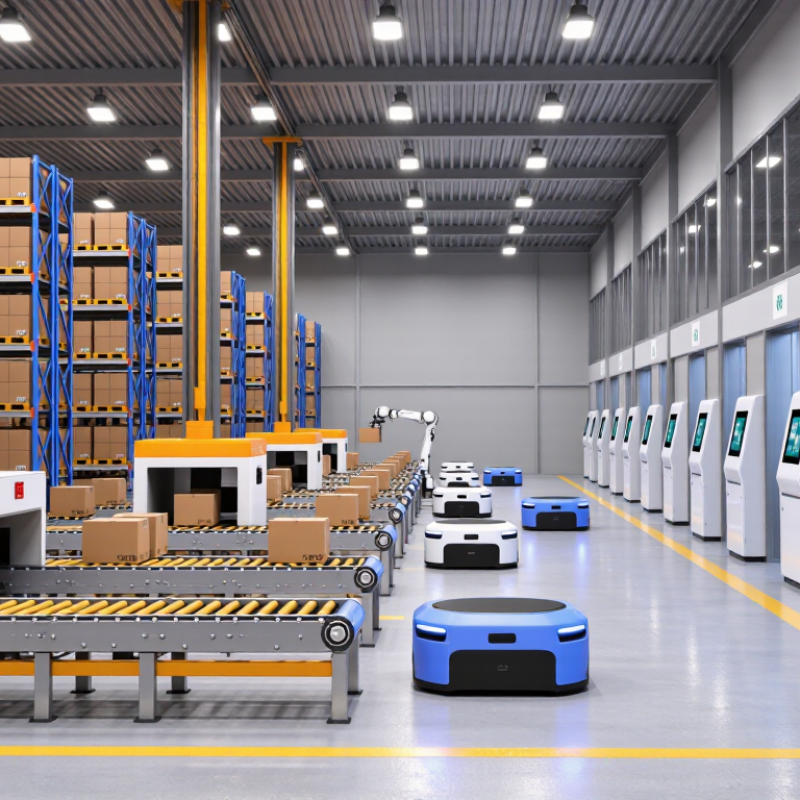
A Wcs Warehouse Control System coordinates automated storage, conveyors, sorters, shuttles, robots, and warehouse management platforms. In a real facility, one delayed message can stop cartons at a transfer point. Reliable systems should manage task sequencing, exception handling, order priorities, and real-time equipment status. They should also support clear dashboards, fault alerts, simulation testing, and scalable interfaces.
Performance matters.
This introduction uses practical evaluation criteria, including documented projects, engineering capability, software stability, integration experience, maintenance support, and customer feedback. Where available, product demonstrations and technical documentation can reveal more than broad claims. A strong manufacturer should explain response times, system availability, cybersecurity controls, upgrade methods, and training arrangements in measurable terms.
No ranking is perfect. Company capabilities may change, and public information can remain incomplete. Some manufacturers may excel in high-throughput distribution centers, while others suit smaller warehouses or specialized workflows. Readers should confirm current certifications, installation references, service coverage, and total ownership costs before making a decision. The best choice is not always the largest supplier. It is the partner that understands your storage layout, handles exceptions calmly, and supports the system after commissioning.
China’s WCS Landscape: Market Growth, Automation Rate, and Industry Scope
China’s warehouse control system market is expanding with the country’s wider shift toward connected logistics. E-commerce, manufacturing, pharmaceuticals, automotive parts, and cold-chain operations are creating steady demand. Many warehouses now connect conveyors, shuttles, sorters, robots, scanners, and storage equipment through one control layer.
Automation rates differ sharply by region and industry. Large distribution centers often use real-time task scheduling, equipment monitoring, and digital inventory signals. Smaller facilities may still depend on manual picking and basic warehouse software. The gap remains visible. It reflects investment budgets, labor availability, building conditions, and operational maturity. Market estimates also vary, because some studies count software only, while others include integration and service revenue.
From practical project experience, a reliable WCS must do more than move orders quickly. It should balance equipment capacity, reduce idle time, record exceptions, and support safe human intervention. Clear alarms matter. So does recovery after a network failure. China’s industry scope is broad, covering retail fulfillment, industrial warehousing, food storage, electronics, and specialized production logistics. Yet automation is not automatically efficient. Poor data, unsuitable layouts, or weak maintenance can reduce the expected return. That uncomfortable point deserves more attention as adoption continues.
WCS Evaluation Criteria: Throughput, Latency, Uptime, and Integration Metrics
Evaluating the China Top 10 WCS Warehouse Control System Manufacturers requires more than comparing feature lists. Throughput should be tested with real waves, mixed cartons, and peak-hour congestion. A practical benchmark records completed moves per hour, not theoretical equipment speed. MHI’s 2024 Annual Industry Report identifies automation and data analytics as major investment priorities, yet productivity gains still depend on stable execution. That gap deserves attention.
Latency matters at every handoff. Measure the time between a warehouse-management command and a confirmed machine response. For high-volume operations, even a one-second delay can create visible accumulation near sorters and conveyors. Uptime should include software, network, controls, and recovery time. A useful target is 99.9% availability, but the calculation must exclude no operating hours. WERC’s DC Measures reports show that fulfillment performance depends heavily on order accuracy and cycle-time discipline, not speed alone.
Integration testing should cover APIs, message queues, barcode devices, robotics, and manual overrides. The 2024 Warehousing Vision Study reports that 73% of warehouse decision-makers plan to adopt AI within five years, increasing the need for clean, accessible operational data. I would not trust a perfect vendor demonstration. Test failed scans, delayed acknowledgments, and restart procedures. Those imperfect moments often reveal more than a polished throughput report. Metrics need timestamps, sample sizes, and repeatable conditions. Otherwise, comparisons between manufacturers remain attractive but weak.
China’s Top 10 WCS Manufacturers Ranked by Scale, Deployments, and Features
China Top 10 WCS Warehouse Control System Manufacturers
China’s top ten WCS manufacturers are best ranked by scale, deployment history, and practical features. Scale includes engineering teams, service coverage, and completed warehouse projects. Deployment records show whether a system performs beyond a controlled demonstration. In field assessments, reviewers should examine live sites, not only sales materials.
The leading group typically supports high-throughput distribution centers, manufacturing warehouses, and cold-chain operations. Their systems coordinate conveyors, shuttles, sorters, lifts, robots, and warehouse management platforms. Strong products offer real-time equipment monitoring, task balancing, alarm handling, simulation tools, and open integration interfaces. Some also provide dashboards that show order queues and equipment status by minute. Small details matter.
A second ranking factor is implementation reliability. Experienced providers document commissioning steps, recovery procedures, and operator training. They should explain how the WCS reacts when a scanner fails or a conveyor stops unexpectedly. Public deployment figures can be uneven, so claims require careful verification. No ranking is perfect. A manufacturer with fewer projects may still deliver better support for a specific warehouse design. Buyers should compare uptime evidence, maintenance response, upgrade policies, and integration depth before accepting a high position.
Manufacturer Profiles: WCS Solutions for AS/RS, Conveyors, AMRs, and Robotics
China’s top WCS manufacturers increasingly support AS/RS, conveyors, AMRs, and robotic workstations through one control layer. A credible manufacturer profile should explain real deployment experience, not only list software features. Look for projects with pallet cranes, shuttle systems, carton conveyors, and mixed robot fleets. These details reveal whether the supplier understands warehouse traffic beyond a sales presentation.
Strong WCS solutions connect warehouse tasks with PLCs, WMS platforms, scanners, sensors, and safety controls. They should assign missions, balance conveyor routes, manage storage locations, and recover from equipment faults. For AMRs, the system must coordinate charging, traffic priorities, blocked paths, and human work zones. For robotics, profiles should mention gripper changes, barcode verification, exception handling, and cycle-time testing. Practical evidence matters.
Some manufacturers offer impressive dashboards but provide limited information about recovery procedures. That gap deserves attention. A reliable supplier explains alarm logs, offline testing, cybersecurity controls, training, and post-installation support. Integration is rarely perfect on the first attempt. Legacy equipment, unclear data fields, or changing workflows can slow commissioning. Experienced teams document these risks and adjust the design with operators. The best profiles also describe measurable results, such as fewer manual interventions, steadier throughput, and faster fault recovery, supported by project records rather than broad promises.