Why is Translation Memory Software Essential for Effective Localization?
In today's global market, effective localization is essential. Companies strive to connect with diverse audiences. However, this process can be complex and demanding. Translation memory software plays a vital role here. It helps maintain consistency across translations. This software stores previously translated segments. When new content arises, it can suggest relevant translations.
Imagine a software that remembers every phrase you've used. It offers suggestions based on past translations. This speeds up the process and reduces costs. However, relying on translation memory software is not without its challenges. For instance, improper usage can lead to awkward phrasing. If translators do not review suggestions, errors might slip through.
Localization requires more than just translation. It needs cultural sensitivity and context awareness. While translation memory software is a powerful tool, it cannot replace human insight entirely. It is a partner in the localization journey, not the sole solution. Hence, understanding its strengths and limitations is crucial for success.

The Definition and Functionality of Translation Memory Software
Translation Memory Software (TMS) plays a crucial role in effective localization. It stores previously translated segments, promoting consistency in multilingual content. According to the Common Sense Advisory, 56% of organizations with TMS report improved productivity. This tool allows linguists to retrieve translated phrases, reducing translation time and costs.
TMS also fosters collaboration among translators. Shared databases help teams maintain a uniform style and tone. A study by CSA Research shows that 70% of stakeholders believe TMS enhances team efficiency. As teams work on similar projects, feedback becomes crucial. Time spent updating the database or correcting errors can lead to frustrations, indicating the need for better training.
Despite its advantages, TMS isn't a magic solution. Some suggest that not every project suits its use. Short, creative texts may lose their essence when fragmented into segments. Proper integration and user training are essential to avoid miscommunication. Ultimately, while TMS is a powerful tool, success relies on thoughtful implementation and continuous adaptation.
Why is Translation Memory Software Essential for Effective Localization?
| Dimension |
Description |
Benefits |
| Efficiency |
Translation memory software stores previously translated segments for reuse in future projects. |
Speeds up the translation process and reduces labor costs. |
| Consistency |
Ensures consistent terminology and phrasing across different projects. |
Maintains brand voice and quality of communication. |
| Cost-Effectiveness |
Reduces the cost of translations by enabling reuse of existing content. |
Lowers overall localization expenses for companies. |
| Collaboration |
Facilitates collaborative work among translators and editors. |
Enhances teamwork and streamlines workflow. |
| Integration |
Can be integrated with content management systems and other tools. |
Allows for a seamless localization process within existing workflows. |
The Role of Translation Memory in Streamlining Localization Projects
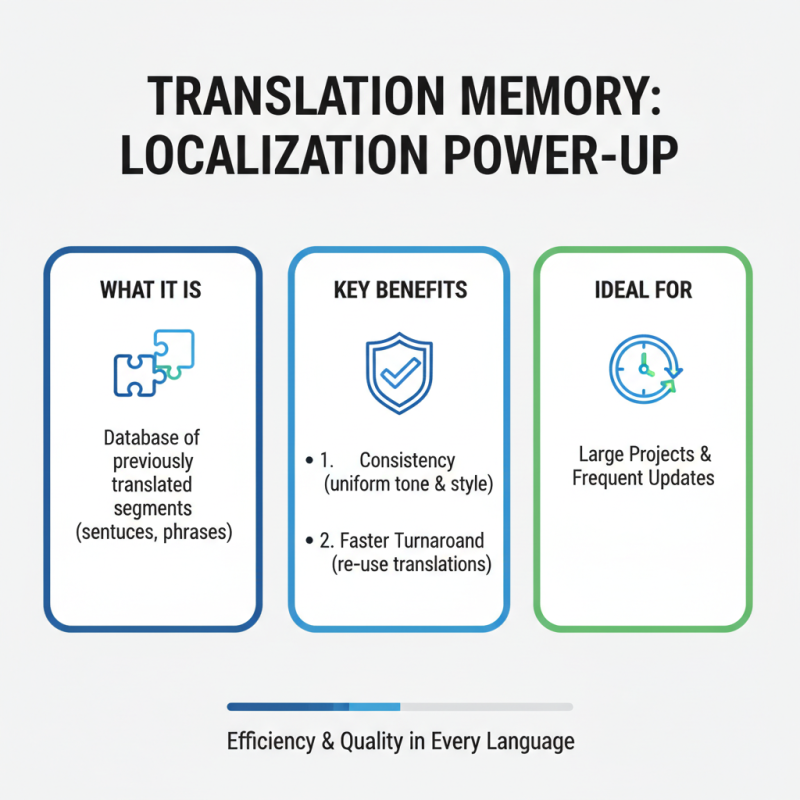
Translation Memory (TM) plays a vital role in localization projects. It stores previously translated segments, allowing teams to reuse them. This leads to consistency across projects. When you have a repository of translations, you can maintain a uniform tone and style. Moreover, TM significantly reduces the time needed for future translations. It is especially useful for large-scale projects or those requiring frequent updates.
Tips: Always keep your TM up to date. Remove outdated or inaccurate segments regularly. Make sure your team knows how to access and use the TM effectively.
Localization is often complex and time-consuming. With TM, you can streamline the process. By leveraging existing translations, you avoid reinventing the wheel. This not only saves time but also cuts costs. However, accuracy in your TM is crucial. If previous translations are flawed, they may propagate errors. Regular reviews are necessary to ensure quality.
Tips: Establish a feedback loop. Encourage translators to report inaccuracies in TM. This can prevent repeated mistakes in future projects.
Statistical Evidence on Cost Reduction through Translation Memory Usage
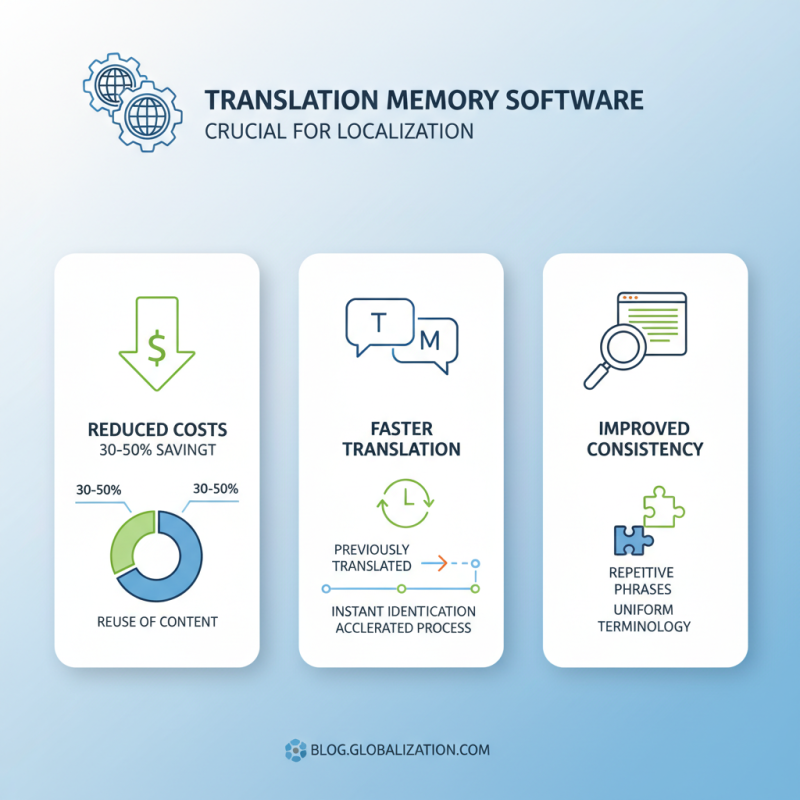
Translation Memory (TM) software has become crucial in localization projects. It helps reduce costs significantly. Statistical evidence shows that companies using TM save about 30-50% on translation expenses. This reduction comes from reusing previously translated content. When repetitive phrases or sentences appear, TM identifies them quickly. This speeds up the translation process.
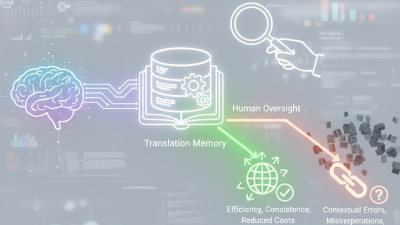
However, reliance on TM isn't always perfect. Context can be lost, leading to inaccuracies. Machines sometimes struggle with nuances and expressions. A phrase that works in one context may not fit another. This requires careful oversight from human translators. They must ensure that meaning and tone remain intact. Regular reviews and updates of TM databases are essential.
Another aspect to consider is the initial investment in TM tools. Companies must weigh cost versus benefits. The upfront costs can be high, especially for smaller enterprises. But long-term savings can justify this investment. Each project can become more efficient over time. Ultimately, TM software offers substantial advantages but demands thoughtful implementation and ongoing management.
How Translation Memory Enhances Consistency and Quality in Translations
Translation memory software plays a crucial role in maintaining consistency and quality in translations. It stores previously translated segments, allowing translators to reuse them. This resource is invaluable, especially for large projects that require multiple contributors. By accessing a database of past translations, translators can ensure uniformity across different texts. For example, terms, phrases, and styles remain consistent, reducing the risk of conflicting interpretations.
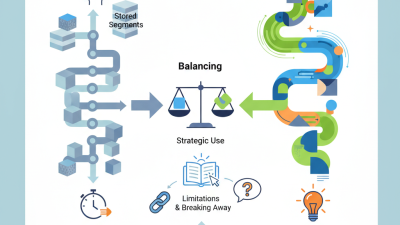
However, relying solely on translation memory can pose challenges. Occasionally, reused segments may not fit perfectly in new contexts. It requires translators to exercise judgment, ensuring that the meaning remains intact. Quality comes from a balance between reusing accurate segments and adapting them to fit new narratives. In some cases, translators might settle for a familiar phrase instead of seeking a more suitable translation, which can compromise the overall quality.
The impact of translation memory extends beyond individual projects. It creates a culture of quality that encourages continuous improvement. Translators learn from previous mistakes, refining their approach over time. With thoughtful use of translation memory, the localization process can become a more effective and enriching experience, benefiting both the translator and the target audience.
Impact of Translation Memory Software on Translation Quality
The chart above illustrates the impact of Translation Memory software on various key dimensions of translation work, including consistency, quality, efficiency, cost-effectiveness, and time saved. The software plays a crucial role in maintaining high standards throughout the localization process.
Case Studies: Successful Localization Strategy Implementing Translation Memory
Localization is a complex process that goes beyond mere translation. Effective localization integrates cultural nuances, local preferences, and functional requirements. With translation memory software, businesses can streamline this process. For instance, a global app developer used translation memory to adapt its interface for different languages. This allowed for consistency in terminology and faster turnaround times.
Tips: Always keep your source content organized. This helps in creating a robust translation memory. Regularly update the memory with new terms to maintain relevance. This may seem tedious, but it pays off in the long run.
Another case involved a marketing team launching an international campaign. They relied on translation memory software to ensure brand messaging resonated across diverse markets. The outcome was impressive. They found that using consistent terminology improved user trust and engagement. However, they realized occasional mismatches still occurred, highlighting the need for human review alongside software.
Tips: Invest time in training your team on using translation memory tools. This ensures everyone understands best practices. Collaboration between translators and marketers can lead to incredible results, but it requires effort and communication.