How to Use Translation Memory to Enhance Your Translation Process?

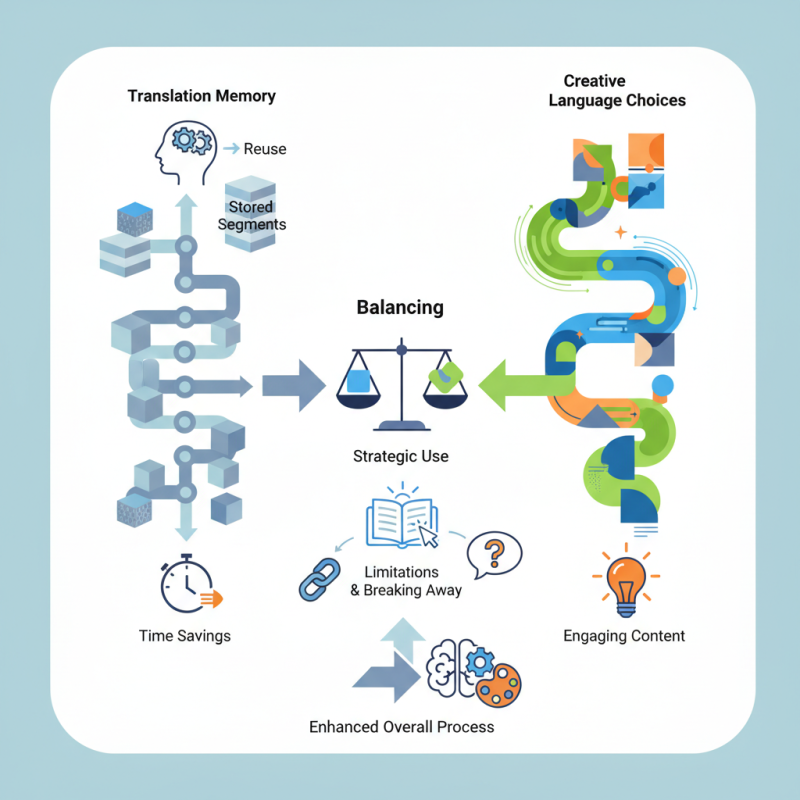
In the world of translation, efficiency is paramount. Translation memory is a tool that can significantly enhance your workflow. It allows translators to store and reuse previously translated segments. This technology can save time and improve consistency in translations.

Using translation memory can sometimes lead to over-reliance. Translators might avoid creative language choices. This may cause translation to sound repetitive or stale. Balancing the use of memory with fresh expressions is vital for engaging content.

Understanding how to strategically use translation memory is essential. It can streamline your process and maintain high-quality work. However, reflecting on the limitations of this tool is equally important. Acknowledging when to break away from the past can lead to better translations. Embracing both memory and creativity will enhance the overall translation process.

How to Use Translation Memory to Enhance Your Translation Process?

Understanding Translation Memory: Definition and Importance

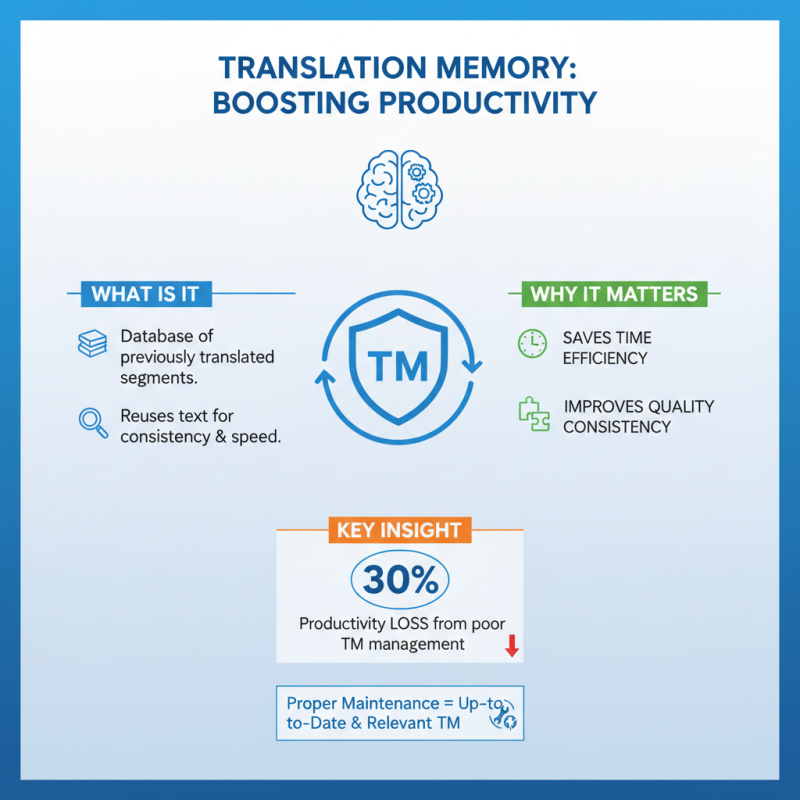
Translation Memory (TM) is a powerful tool in the translation process. At its core, TM stores previously translated segments, such as sentences and phrases. This storage allows translators to quickly access consistent translations for repeated text. Such a method significantly enhances efficiency and reduces workload. The importance of TM lies in its ability to maintain consistency across large projects.


Using TM can also lead to mistakes if not managed properly. For example, outdated translations can reappear if the TM isn't updated. It can be frustrating when a repeated segment doesn’t fit the context of the new material. Additionally, relying too heavily on TM might limit a translator's creativity. They might overlook better translation options by sticking to the memory.


TM affects collaboration as well. Teams can share resources and build a cohesive style. However, inconsistent TM usage can create gaps in quality. It’s essential to keep the memory organized. Overall, while TM enhances the translation process, careful management is crucial. Avoid complacency and continually refine the memory for optimal results.

Key Features of Translation Memory Systems

Translation Memory (TM) is a powerful tool in the translation industry, designed to streamline and enhance the translation process. Key features include the ability to store previously translated segments. This replay capability not only saves time but also ensures consistency across projects. For example, a study by the MarketResearchFuture indicates that translation memory can boost productivity by 30% to 50%.

One significant aspect of TM is its capacity to create a glossary. This feature helps translators maintain consistent terminology. A well-maintained glossary reduces confusion and aids in faster decision-making during translation. However, it remains crucial to review and update this glossary frequently. Outdated terms can lead to misinterpretations.

Tips: Regularly review your TM database to ensure accuracy. Use segment retrieval efficiently to find previously translated content. Remember, just because a translation was correct once does not mean it fits every context. Regular reflection on TM's effectiveness can unveil hidden improvements, keeping your translations sharp and relevant.

Steps to Effectively Implement Translation Memory in Your Workflow

How to Use Translation Memory to Enhance Your Translation Process?

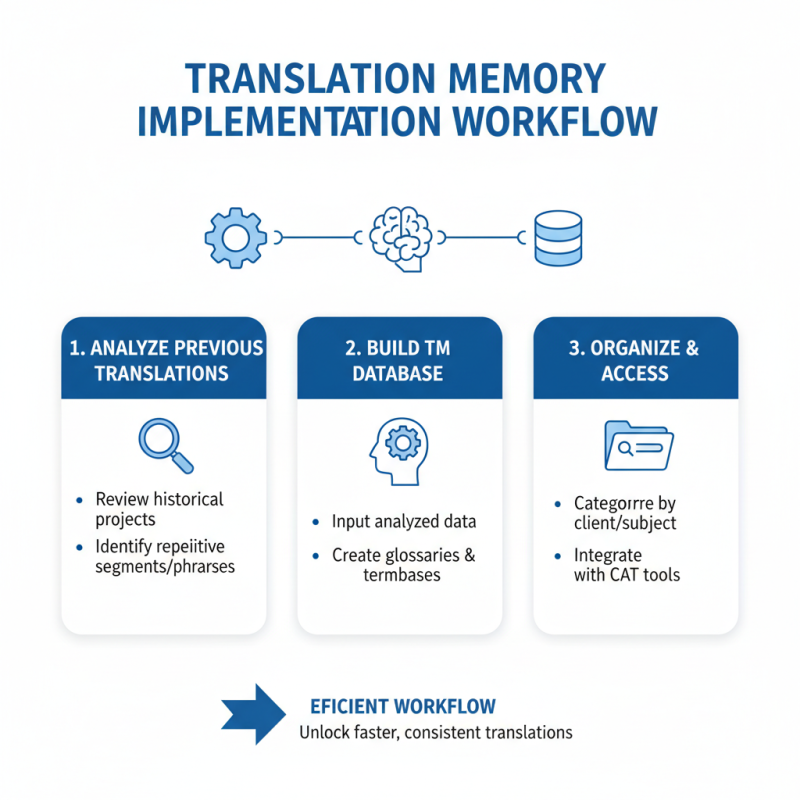
Translation memory (TM) is a powerful tool in the translation process. To effectively implement TM into your workflow, start by analyzing your previous translations. Identify segments that were frequently used. This analysis helps build a strong database. Ensure your TM is organized and easily accessible.

Next, integrate TM software with your existing tools. Many translation applications support TM. However, the integration can sometimes be clunky. Spend time learning the interface. Familiarize yourself with its features. Training yourself and your team is crucial.

During your projects, remember that TM isn’t perfect. Sometimes it suggests translations that don’t fit the context. Be prepared to modify suggestions. Regularly review your TM and update it with new terms. This keeps your memory relevant. Balancing automation and personal judgment is key. Consider the nuances and variations in language. A thoughtful approach ensures better outcomes in the long run.

Best Practices for Maintaining and Updating Your Translation Memory

How to Use Translation Memory to Enhance Your Translation Process?

Translation Memory (TM) is a powerful tool in the translation process. Proper maintenance is essential. According to industry reports, ineffective TM management can reduce translator productivity by up to 30%. This underscores the importance of keeping TM databases updated and relevant.

Regular updates to your TM can enhance its usability. It’s recommended to evaluate translation units periodically. Remove outdated entries that no longer reflect current language use. A study indicated that over 40% of TMs contain translations that are either inaccurate or obsolete. This can lead to inconsistencies and undermine the quality of the final product.

Engaging translators in the review process is also crucial. They can provide insights into which segments need revision. Foster a culture of collaboration among team members. Regular feedback helps build a more accurate TM. Remember, it’s not just about adding new content but also refining existing entries for clarity and effectiveness. This holistic approach ensures that your TM contributes to a seamless translation workflow.

Measuring the Impact of Translation Memory on Translation Quality and Efficiency

Translation Memory (TM) plays a significant role in enhancing translation quality and efficiency. Studies show that TMs can reduce translation time by up to 40%. This efficiency often stems from the ability to reuse previously translated content, allowing translators to focus on new material. The impact on quality is noteworthy too. When translators rely on consistent terminology and phrasing, they produce more coherent and accurate translations.

Integrating TM into your workflow requires some practical considerations. Emphasize the importance of regular updates. Translators should regularly review and expand their TM databases. This boosts both the relevance and reliability of the memory. Misalignments in TMs can lead to inconsistencies, so maintaining quality is crucial.

Optimizing TM usage means balancing automation with human expertise. Over-relying on TMs might neglect the nuances of language. This can affect the final output's artistry. It’s essential to ensure that content still resonates with the target audience. TMs are valuable tools but should complement human intuition and creativity in translation tasks. Regularly assess the TM's performance and adapt strategies based on your findings for the best results.

How to Use Translation Memory to Enhance Your Translation Process?

Aspect Metric Value
Translation Quality Improvement Error Rate Reduction 15% Decrease
Efficiency Boost Time Saved per Project 20 Hours
Consistency Across Projects Glossary Utilization 90% Usage
Cost Reduction Translation Cost per Word $0.08
Client Satisfaction Satisfaction Survey Score 92%