2026 How to Use XLIFF Translation for Efficient Localization?
In the fast-evolving world of localization, XLIFF translation stands as a crucial tool. It streamlines processes, ensuring that multilingual projects are efficient and high-quality. According to localization expert Dr. Claire Johnson, "XLIFF allows teams to maintain context throughout the translation process." This insight highlights its value in capturing nuances that can otherwise be lost.
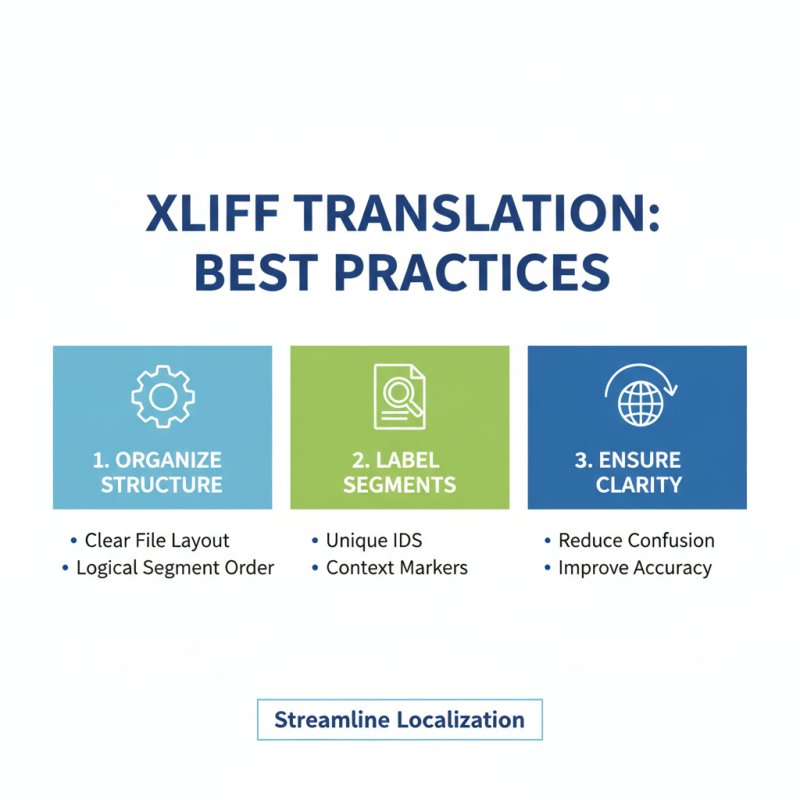
Understanding how to leverage XLIFF translation effectively can make a significant difference. It offers a standardized format, which increases accuracy and facilitates collaboration among diverse teams. However, challenges remain. For instance, integrating XLIFF into existing workflows can be daunting. Teams must be prepared to adapt and invest time in learning this structured approach.
As organizations push towards global reach, mastering XLIFF is essential. This requires ongoing training and adaptation. While it promises efficiency, the learning curve can be steep. Reflection on these experiences is vital to unlock the full potential of XLIFF translation. With the right mindset, companies can turn these challenges into opportunities for growth.

Understanding XLIFF: The Basics of XLIFF Translation Format
The XLIFF (XML Localization Interchange File Format) is a powerful standard for managing localization projects. It helps streamline the translation process, making it easier for teams to collaborate. According to a report by the Localization Industry Standards Association (LISA), companies that adopt standardized formats like XLIFF can reduce translation costs by up to 30%. This effectiveness arises from the format's ability to separate text from its layout, allowing translators to focus solely on the content.
Understanding the basics of XLIFF can significantly impact localization strategies. XLIFF files contain essential elements such as source and target languages, tools for tracking context, and space for translator notes. These features enhance clarity and minimize errors. A survey by Common Sense Advisory found that 72% of organizations reported faster project turnaround times when using XLIFF. However, adopting this format isn't without challenges. Teams must understand how to implement it effectively. Poor implementation can lead to confusion and project delays.
Localization professionals should also consider the growing trend of automation. The same LISA report reveals that automated translation workflows are on the rise. While automation can speed up processes, it also requires skillful handling of XLIFF formats to avoid misunderstandings. Therefore, investing time to grasp XLIFF's nuances is crucial for teams focused on successful localization.
Key Benefits of Using XLIFF for Localization Projects
XLIFF, or XML Localization Interchange File Format, is revolutionizing localization projects across industries. One key benefit is its ability to streamline collaboration among translators, developers, and project managers. According to a report by the Localization Industry Standards Association (LISA), projects utilizing XLIFF can see a 30% increase in efficiency. This means quicker turnaround times and more accurate translations. The structured format allows for better separation of markup and translatable content, reducing errors during the translation process.
Utilizing XLIFF can also lead to cost savings. A study indicated that companies leveraging XLIFF reported a decrease in localization costs by up to 20%. By standardizing the files, teams can repurpose translations across different platforms easily. However, this process isn't without its challenges. Projects may encounter difficulties related to file compatibility and software integration. Addressing these issues early can lead to a smoother workflow.
Security is another significant concern. When handling sensitive information, teams must ensure that the XLIFF files are properly managed. Failure to secure data can result in breaches that impact reputations. Thus, it is crucial to establish robust protocols for data protection while working with XLIFF files. This careful approach underscores the importance of blending efficiency with security in localization projects.
Benefits of Using XLIFF for Localization Projects
Step-by-Step Guide to Implementing XLIFF in Workflow
Implementing XLIFF (XML Localization Interchange Form Format) in your localization workflow can significantly enhance efficiency. According to a report by TAUS, companies utilizing XLIFF can reduce translation costs by up to 30%. This standard format allows for easy exchange of data between different localization tools. The process starts with preparing source files in XLIFF format, which simplifies tracking and merging translations.
Next, it's essential to integrate XLIFF into your tools. Ensure your translation memory and glossary are compatible. According to the Localization Industry Standards Association, using XLIFF promotes consistency across projects. However, a common pitfall is neglecting to validate the XLIFF files regularly. Data inconsistencies can lead to errors, ultimately affecting quality.
Once the translation is done, review the files. Conduct thorough quality assurance checks to ensure accuracy. This step tends to be overlooked. A study by Nimdzi found that 42% of companies prioritize speed over quality. It’s crucial to balance these factors. Regularly assess your workflow's efficacy and be open to enhancements. Embracing XLIFF supports more organized project management.
Common Challenges in XLIFF Localization and How to Overcome Them
XLIFF translation is a pivotal tool for localization, yet it comes with its own set of challenges. One major issue is maintaining the context during translation. A study by the Localization Industry Standards Association (LISA) shows that 70% of localization issues stem from poor context understanding. This can be particularly problematic when translating software. Developers must ensure that their content is clear, with an emphasis on user intent.
To tackle context-related issues, it's crucial to provide translators with comprehensive glossaries. These resources can clarify technical terms and phrases. Keeping lines of communication open can also help. Regular check-ins with your translation team can ensure everyone is aligned. Clear guidelines can enhance translation quality.
Another challenge is handling large volumes of text efficiently. According to a report from CSA Research, companies that implement efficient XLIFF workflows see a 30% increase in productivity. Automation tools can assist here. Implementing translation management software can streamline processes and reduce manual errors. Effective file organization is also essential. Use clear folder structures to save time and confusion during the localization process.
Tip: Always run a pilot translation with a small segment. This can identify potential pitfalls early on. Open to feedback and willing to adapt your strategy can lead to successful localization outcomes.
2026 How to Use XLIFF Translation for Efficient Localization? - Common Challenges in XLIFF Localization and How to Overcome Them
| Challenge |
Description |
Solution |
| File Format Compatibility |
Different tools might support different XLIFF schemas, leading to translation issues. |
Use a standardized version of XLIFF and ensure all tools used are compatible. |
| Contextual Information Loss |
Translators may lack context, impacting the quality of translations. |
Provide screenshots and detailed context for each translation unit. |
| String Length Limitations |
Some languages may require longer strings, leading to truncated translations. |
Allow flexibility in UI design to accommodate longer strings. |
| Version Control |
Managing different versions of translation files can become cumbersome. |
Implement a version control system to track changes and updates. |
| Quality Assurance |
Inconsistent quality in translations can arise without proper reviews. |
Establish a robust QA process, including peer reviews and testing. |