What is Website Localization and Why is it Important for Your Business?
Website localization is a critical aspect of global business strategy. It ensures that your website resonates with local audiences. According to a Common Sense Advisory report, 75% of consumers prefer to buy products in their native language. This statistic highlights the necessity of adapting content for different markets. Expert Dr. Jane Smith, a leading figure in digital marketing, emphasizes, "Website localization is not just translation; it’s about creating an experience."
Many businesses, however, overlook the importance of localization. They launch their websites with generic content. This often leads to missed opportunities. A study by Nimdzi Insights shows that companies ignoring localization can lose up to 40% of potential customers. Localizing content goes beyond words. Cultural nuances play a vital role, which many companies fail to address.
Embracing website localization can provide a competitive edge. Yet, this process is complex and requires careful planning. There are challenges, such as understanding local customs and expectations. Companies may struggle to fully adapt their message. Nevertheless, investing in website localization can lead to stronger connections with target audiences and significant growth in international markets.
What is Website Localization?
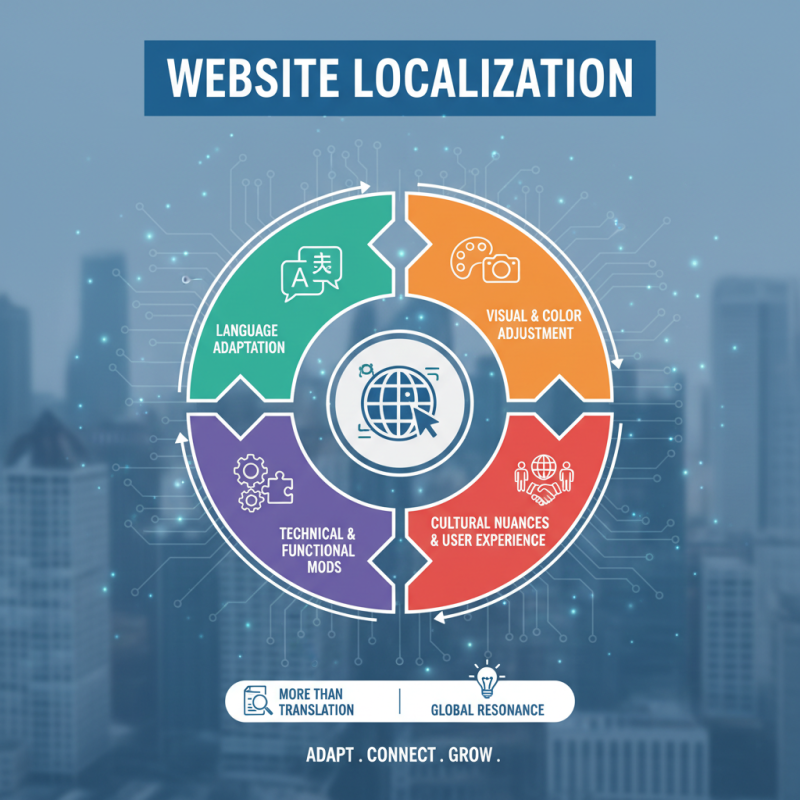
Website localization refers to adapting your website to meet the cultural and linguistic needs of a specific market. This goes beyond mere translation. It involves adjusting images, colors, and layouts to resonate with local audiences. For example, a color that symbolizes goodwill in one culture might have negative connotations in another. Understanding these nuances is crucial for effective localization.
Tips for localization: Use local dialects and colloquialisms. This shows that you understand the local culture. Also, ensure that currencies and measurements are relevant. Adapting these elements enhances user experience. Remember, even the smallest changes can make a big impact. Test your localized content with real users to gather feedback. Their insights can reveal unanticipated issues.
Localization isn’t just about language. It’s about connection. Failing to recognize cultural sensitivities can lead to offence or misunderstanding. Some businesses overlook these aspects. They might focus solely on translation, missing larger implications. Reflect on your content regularly. Ask if it truly speaks to your audience or if it needs adjustments. Localization is an ongoing process. It requires attention and care.
Key Elements of Website Localization
Website localization is essential for businesses aiming to connect with diverse audiences. To effectively localize a website, one must consider various key elements. Language is the most obvious factor. Translating content isn't enough; it needs cultural relevance too. Words can have different meanings based on context.
Design elements should also be adjusted. Colors, images, and layouts can convey different messages in various cultures. A website that looks appealing in one country may not resonate in another. Currency settings and units of measure must match local preferences. If you ignore these details, user experience may suffer.
Lastly, local regulations and SEO practices are important. Different regions have different compliance standards. Ignoring this could lead to penalties. Localizing for SEO means using keywords that resonate with local search behavior. Sticking to generic or untranslated terms may limit visibility. Each element of localization requires thought and reflection for a truly effective global presence.
The Importance of Website Localization for Global Reach
Website localization plays a crucial role in expanding your business globally. It goes beyond mere translation. You need to adapt content to fit the local culture, preferences, and values. This includes modifying visuals, colors, and even the tone of your messaging. A website that reflects local nuances can build trust and resonate with your audience.
Consider a website aimed at the Chinese market. Using familiar symbols and incorporating local festivals can enhance engagement. However, businesses sometimes overlook these details. They might assume a straight translation is enough. This can lead to miscommunication and alienation of potential customers. Learning from these mistakes is vital for improving localization efforts.
Additionally, SEO is affected by localization. Local keywords and phrases attract the right audience. But, blindly translating keywords won’t work. Quality research is necessary to choose the best terms. Neglecting this aspect can result in poor visibility and missed opportunities abroad. Reflecting on these challenges can help businesses refine their approach to localization, ensuring a greater global reach.
Impact of Website Localization on Business Growth
Benefits of Website Localization for Business Growth
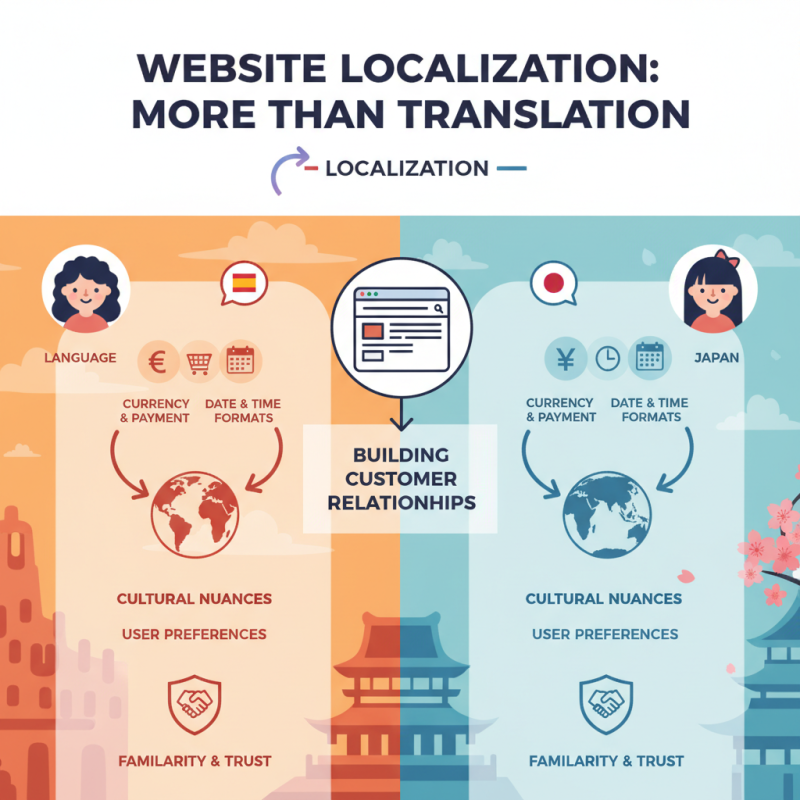
Website localization is more than just translation. It involves adapting your content to fit cultural nuances and user preferences. Imagine a website that feels local to users in Spain and to those in Japan. This creates a sense of familiarity and trust, crucial for building customer relationships.
The benefits of website localization are significant. It expands your reach in diverse markets. Sales increase as more customers can relate to your content. For instance, using local currencies and relevant imagery can enhance user experience. However, many businesses overlook these details, which can lead to missed opportunities. A website lacking localization may frustrate users. They may abandon a site that feels foreign or irrelevant.
Additionally, localized content improves SEO rankings in different regions. Businesses can tap into organic traffic that would otherwise be lost. This approach requires continuous effort and adaptation. It is easy to make assumptions about what works but relying on these can lead to missteps. Regular user feedback and data analysis are essential for refining your strategy.
Challenges and Best Practices in Website Localization
Website localization can be a complex task, presenting several challenges. One major hurdle is cultural differences. Words, symbols, and images may not resonate equally across various cultures. For instance, a color that signifies prosperity in one culture could symbolize mourning in another. This can affect user experience significantly.
Another challenge lies in maintaining consistency. Translating content is not just about changing words. It involves adapting the entire context. Inconsistent translations can confuse users. A website with mismatched tone or terminology risks losing credibility. Businesses often grapple with updates too. Keeping localized websites in sync with the original version can be a logistical nightmare.
Best practices can help navigate these issues. Collaborating with native speakers ensures cultural nuances are captured. They can provide insight into local preferences. It's essential to prioritize user testing. Gathering feedback will highlight areas needing improvement. Reflecting on these insights can lead to a more effective localization strategy.
What is Website Localization and Why is it Important for Your Business? - Challenges and Best Practices in Website Localization
| Localization Aspect |
Description |
Challenges |
Best Practices |
| Language Translation |
Adapting the website content to the target audience's language. |
Literal translations that lose context. |
Hire professional translators with cultural knowledge. |
| Cultural Adaptation |
Modifying content to fit cultural norms and values. |
Cultural misunderstandings leading to negative perceptions. |
Research cultural preferences and norms of the target market. |
| SEO Adaptation |
Optimizing localized content for search engines. |
Different search behaviors and keywords in different regions. |
Conduct keyword research in the target language. |
| User Experience Design |
Adapting website design elements to local preferences. |
Design elements that do not resonate with local users. |
Test design elements with local user groups. |
| Legal Compliance |
Ensuring that the website complies with local laws and regulations. |
Navigating complex legal requirements across different regions. |
Consult with legal experts in the target region. |