Why Your Business Needs Translation Software Today?

In an increasingly globalized world, businesses face unique challenges. Connecting with diverse audiences is essential for growth. This is where translation software for business plays a crucial role. It enables companies to communicate effectively across language barriers.

Many businesses underestimate the impact of professional translation tools. Poor translation can lead to misunderstandings. This, in turn, risks damaging customer relationships. Reliable translation software can streamline communication and enhance customer trust. With accurate translations, marketing materials resonate more with local audiences.

Investing in translation software is not just a luxury anymore; it is a necessity. Businesses that adapt are likely to gain a competitive edge. However, selecting the right tool requires careful consideration. It's important to evaluate features based on your specific needs. Embracing this technology might not be easy, but the benefits far outweigh the challenges. In this dynamic landscape, effective translation can open doors to new markets and opportunities.

Why Your Business Needs Translation Software Today?

The Role of Globalization in Modern Business Growth

Globalization has drastically transformed modern business landscapes. Companies are no longer confined to local markets. The world is interconnected. Businesses now compete on a global scale. This shift demands that organizations communicate effectively across diverse cultures and languages. Translation software can bridge these gaps.

Effective communication is crucial for building relationships. Misunderstandings can lead to lost opportunities. A poorly translated message might offend potential clients. Translation software can ensure accuracy and clarity. It empowers businesses to reach new audiences seamlessly. Moreover, it helps maintain brand consistency across different markets. This is essential for establishing trust.

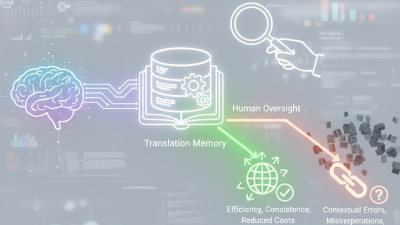
However, relying solely on translation software isn't foolproof. Context and cultural nuances can be lost. Companies must also prioritize human oversight. This ensures that the tone matches the target audience. With the right blend of technology and human expertise, businesses can navigate globalization confidently. They can expand their reach while maintaining authenticity.

Why Your Business Needs Translation Software Today? - The Role of Globalization in Modern Business Growth

Aspect Statistics Impact
Global Internet Users 5.5 billion Access to diverse markets
E-commerce Growth Rate 20% annually Increased online sales opportunities
Languages Spoken Globally Approx. 7,000 Need for localized content
Companies Using Translation Software Over 50% Competitive advantage in globalization
Revenue Boost from Localized Content Up to 30% Higher customer engagement and satisfaction

Understanding the Benefits of Translation Software

Translation software offers essential benefits for modern businesses. With globalization, communicating across languages is crucial. It allows companies to reach wider audiences efficiently. Quick translation can enhance customer experience. A seamless interaction can boost sales and improve customer loyalty.

Using translation software can save time and resources. Manual translation is often slow and prone to errors. In contrast, advanced software provides instant results. However, it may lack the human touch in nuances. This can lead to misunderstandings. Companies should consider this when addressing sensitive content.

Moreover, the software's effectiveness varies. It excels in basic communication, yet struggles with complex texts. Investing in a reliable solution requires research. Assessing user reviews and case studies can guide businesses. Implementing robust translation tools means continuous improvement. Adapting and refining approaches based on feedback is vital.

Key Features to Look for in Translation Software

In today's global marketplace, translation software is essential for businesses looking to expand their reach. Effective translation software should offer several key features to enhance communication and maintain brand consistency across languages.

One critical feature is real-time collaboration. A study by Common Sense Advisory revealed that 75% of consumers prefer content in their native language. This makes quick communication vital. Working in real-time allows multiple stakeholders to engage seamlessly. Simultaneously, AI-powered translations ensure that cultural nuances are respected, reducing the chances of miscommunication.

Another important aspect is the integration capabilities. Software that seamlessly connects with existing content management systems saves time and resources. A lack of integration can lead to errors and inconsistencies in translations. Choose software that has a user-friendly interface and robust API support to streamline workflow.

Tip: Regularly review translations for accuracy. Even advanced software can miss subtle meanings. Additionally, invest in training for your team on how to use the software effectively. Ensure that everyone involved understands its strengths and limitations. With the right tools and practices, your business can thrive in various languages.

How Translation Software Enhances Communication Efficiency

In today’s global market, effective communication is crucial. Translation software plays a vital role in breaking language barriers. It helps businesses connect with clients from diverse backgrounds. Fast and accurate translations lead to increased collaboration. This enhances overall productivity.

Languages evolve. New slang and terms emerge regularly. Relying solely on human translators may not always capture these changes. Translation software updates frequently, ensuring relevance. However, some nuances may still get lost in translation. It’s important for users to review translations for tone and context.

Using translation tools can save time and reduce costs. Automated processes streamline workflows. Yet, over-dependence on software can create challenges. Misinterpretations can occur if users don't understand the limitations. Businesses should balance automation with human oversight. Integrating both can lead to more precise and effective communication.

Case Studies: Successful Businesses Using Translation Software

In the competitive landscape of today, many businesses are leveraging translation software to expand their reach. One notable case study involved a small e-commerce company. They used translation software to localize their website into five languages. As a result, their sales increased by 40% in just six months. This quick turnaround showcases the potential of translation tools in attracting international customers.

Another example is a healthcare provider that used translation software for patient communications. This initiative involved translating brochures and consent forms into multiple languages. Their staff noted improved patient satisfaction and fewer misunderstandings. However, they also faced challenges, such as inaccuracies in medical terminology. Reflecting on these issues led them to invest in better software training.

Businesses in diverse industries can benefit from such tools. Translation software enhances accessibility and fosters better communication. While many firms enjoy the benefits, some overlook the need for human oversight. Automated translations can miss nuances. Therefore, businesses must find a balance between technology and human expertise to maximize the impact.

Impact of Translation Software on Business Efficiency